Hobonichi Techo NEWS
Techo team members will be talking about sales information,
their recommended stationery, usage examples, and more.
[Hello! Download City: Vol.1]
Welcome to Download City!

Hi everyone!
Our (Hobonichi’s) winter vacation started yesterday, and during the holiday season, I’ll be updating the Techo News under the theme “Hello! Download City.”
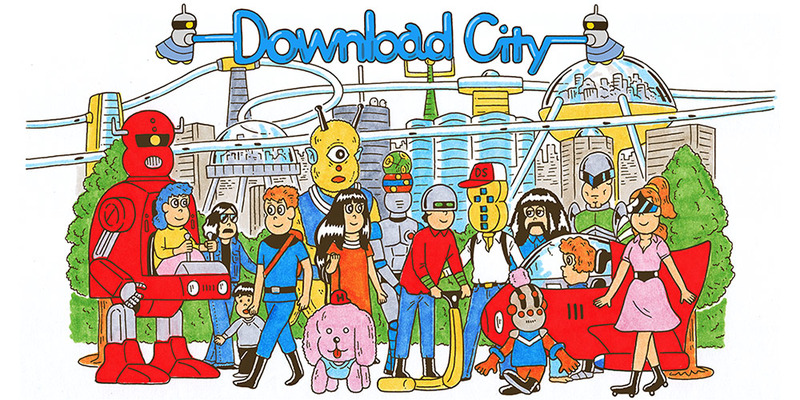
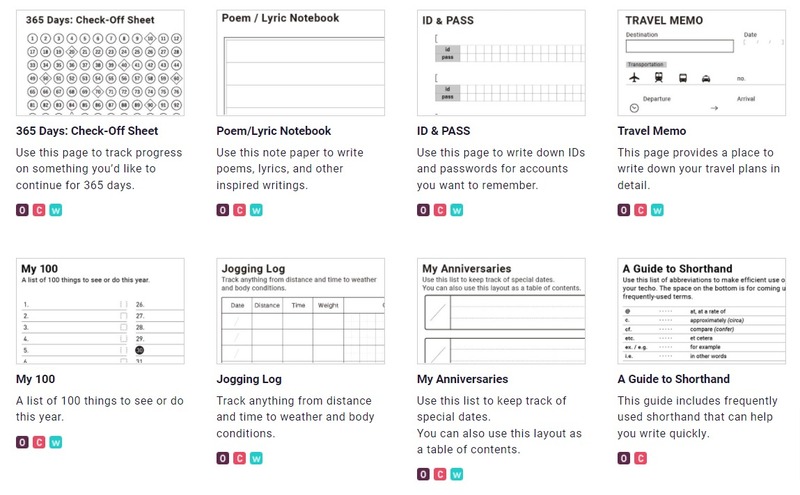
. . . You might be wondering, what is Download City? Well, it’s a page where you can find handy materials to print out and tape into your Hobonichi Techo!
Some of these pages have been included in the bonus pages towards the back of the techo (you might recognize My 100 for example), and some were made originally for Download City. The sheets have been sized for the Original/Planner (A6 size), Cousin (A5 size) and Weeks size, so you can download one depending on the size of the techo you’re using to cut and paste in your techo.
*Please note some pages aren't available in all sizes.
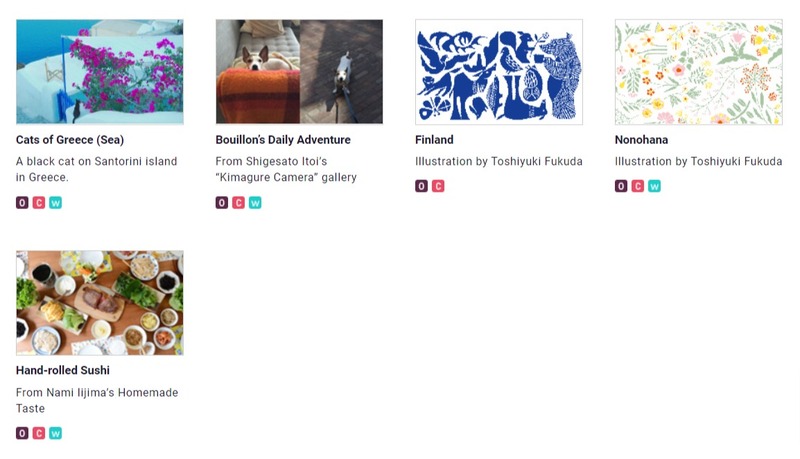
We even have printable designs you can insert for your cover.
Print your favorite and insert it under a Cover on Cover (or Clear Cover) to change the look of your techo cover!
Over the next couple of days, I will be introducing you to some of the pages in depth, as well as detailed guides on how exactly you can use it.
I hope you look forward to it!
Introducing the Anytime Tote Series!

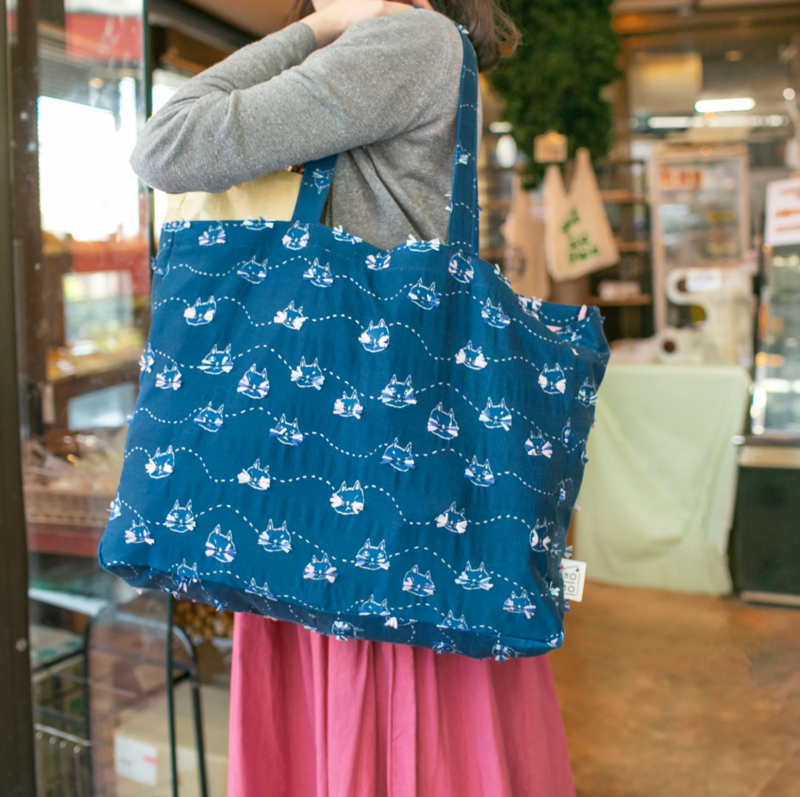
Hello! Today, on December 1st, sales for the new Drawer Pouch designs begin! Cute designs such as Aki Kondo's Field of Flowers and Whisker Cat will join the lineup.
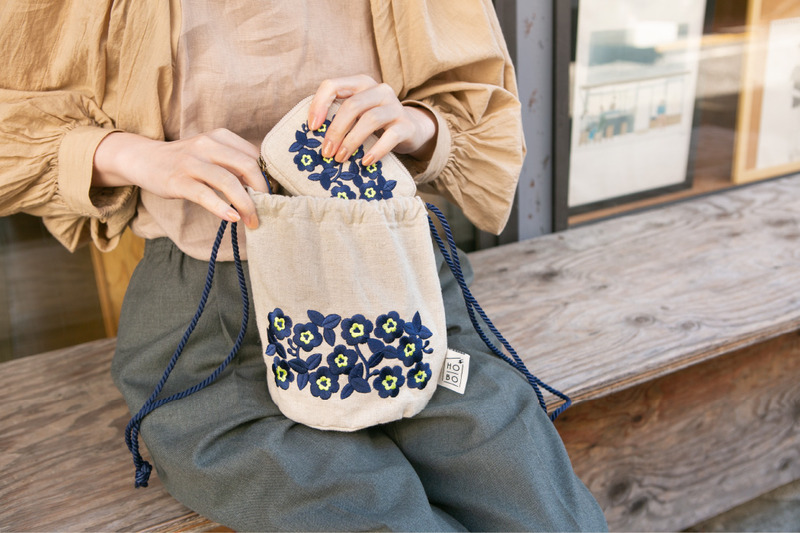
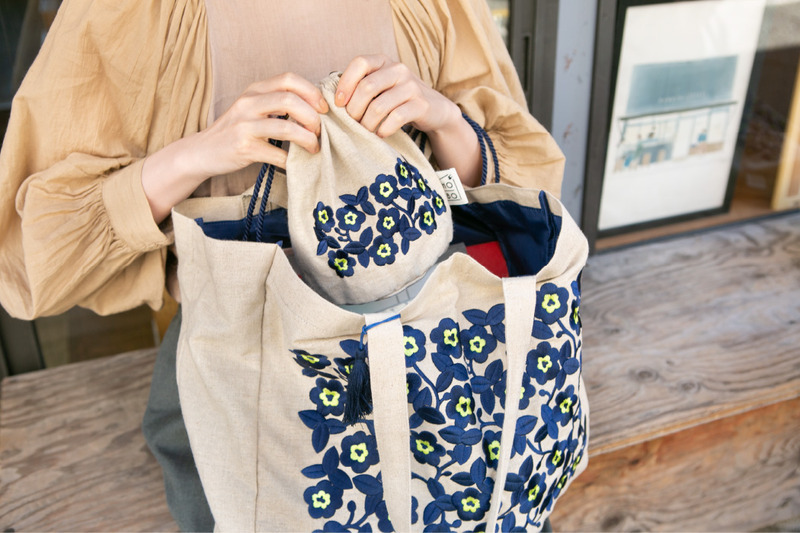
Additionally, we've added a companion to the Drawer Pouch, the Anytime Tote! It comes in three styles: the Anytime Tote, the Anytime Tote Petit, and the Anytime Drawstring Bag.
I've used all three types, so here I'll be talking about what they're like and my personal thoughts on them while talking through each of their characteristics.
Anytime Tote
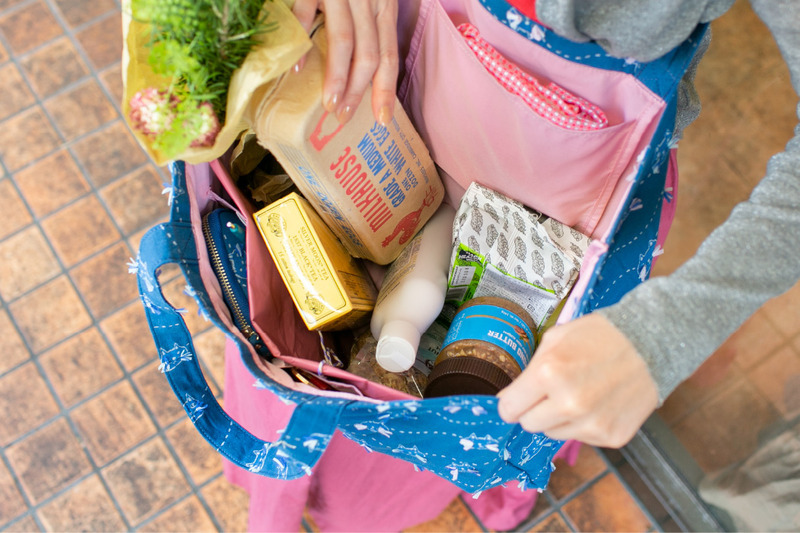
First up is the large-sized tote bag "Anytime Tote." The fabric is sturdier than the thinner reusable bags out there, and it's lined and comes with large pockets.
A bag this size made of leather or canvas material for example tends to be heavy, but a characteristic of the Anytime Tote is that it's light while still having plenty of storage. On top of that, the fabric used is cute. I think there aren't that many bags like this.
I use it to put in my change of clothes and towels when going to yoga classes and carry around my laptop with this when I'm headed to the office. It's useful because I can throw in scarves and layers that tend to get bulky when carrying around.
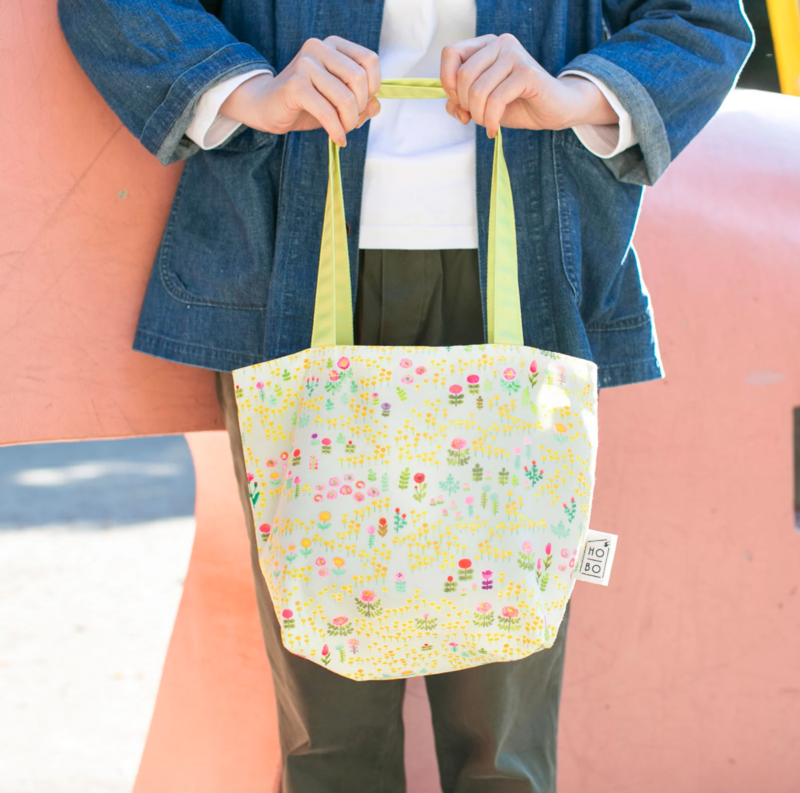
Anytime Tote Petit
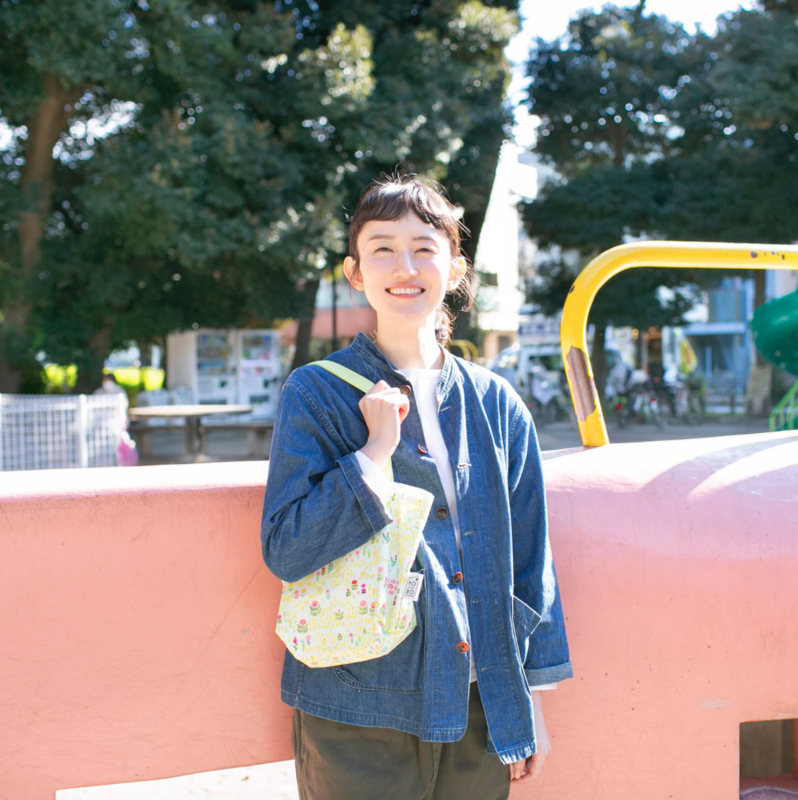
This is the Anytime Tote Petit that comes with short shoulder straps. It comes in handy when I'm going out for lunch or to have a stroll around. Even when I put in my purse, techo, and water bottle, because it's gusseted it still has plenty of room.
It uses the same material that's not too thin but light, so it doesn't bother me when I hang it from my shoulders. Rather, it rests well on my shoulders and I like how it's easy to hold.
Anytime Drawstring Bag
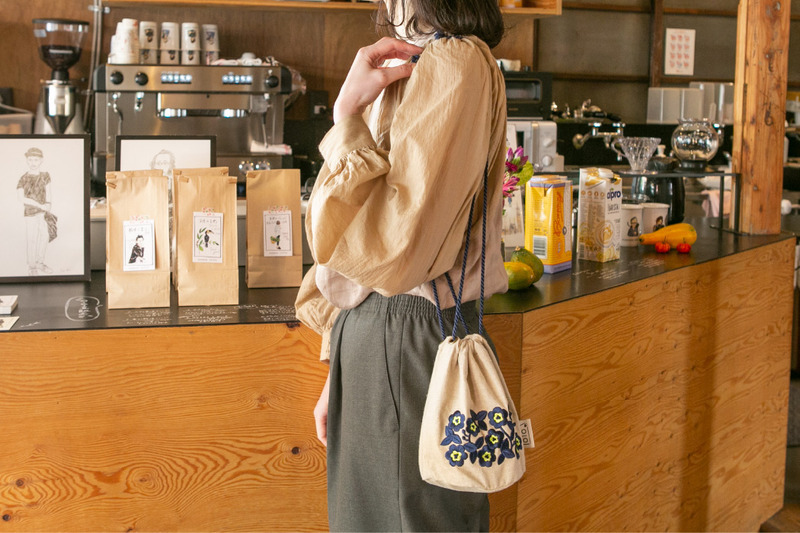
Last up is my personal favorite, the Anytime Drawstring Bag. Because the fabric used is fashionable, I found it comes in handy as a handbag to carry around when going out. I'm able to gather my smartphone, wallet, handkerchief, lipstick, and keys all in one place and because it's a drawstring-type bag, it's easy to pull out its contents.
The Anytime Drawstring Bag is really cute when paired with matching Drawer Pouch Pockets. The balance of the two sizes is perfect too. I also think it would be useful to put the Anytime Drawstring Bag inside the Anytime Tote if you have a lot to carry when going out.
Here was my brief introduction on the Anytime Tote series that's fun to pair with the Drawer Pouch. I hope you enjoy the new lineup!
Using the Weeks as a "Cultural Techo"
*This is a re-edit of Hoshino’s Techo News from March 2020.
In 2019, I started to use the Weeks book for the first time. I use it as a "cultural techo.”
… Some of you may be confused as to what I exactly mean by it. Basically, it’s a techo where I keep a record of the books I read, movies I saw and exhibitions I went to (and occasionally some other stuff).
Let me talk you through my techo.
[The reason why I started to use it]
I started using the Weeks book in this way because I wanted to look back on that year by reflecting on the things I saw and how I felt about it.
I used to write a diary in the A6 Original techo, but because I switched to the 5-Year Techo, I was in need of a place to paste tickets and small bits and pieces, so that would be another reason why,
[Why I chose the Weeks]
I decided to go for the Weeks when a techo user once told me how they could paste in tickets without having to fold them in the Weeks because of its vertically narrow shape.
I planned on pasting in loads from the start, so I chose “White Line” with a soft front cover. This way, I don’t have to worry even if the book puffs up.
The Weeks book after being used for a year. It has puffed up quite a lot.
[How I use it]
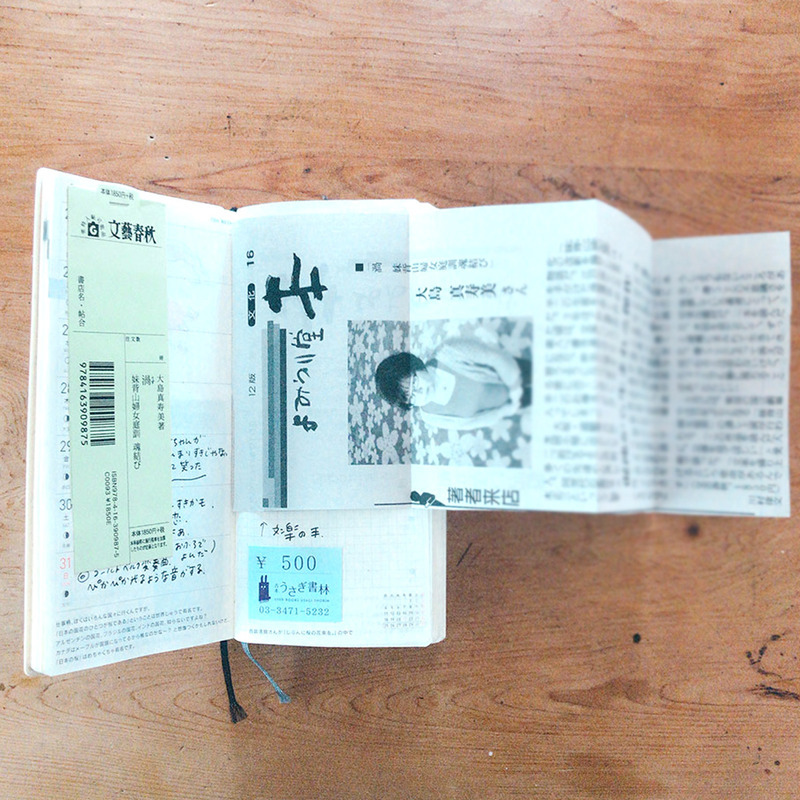
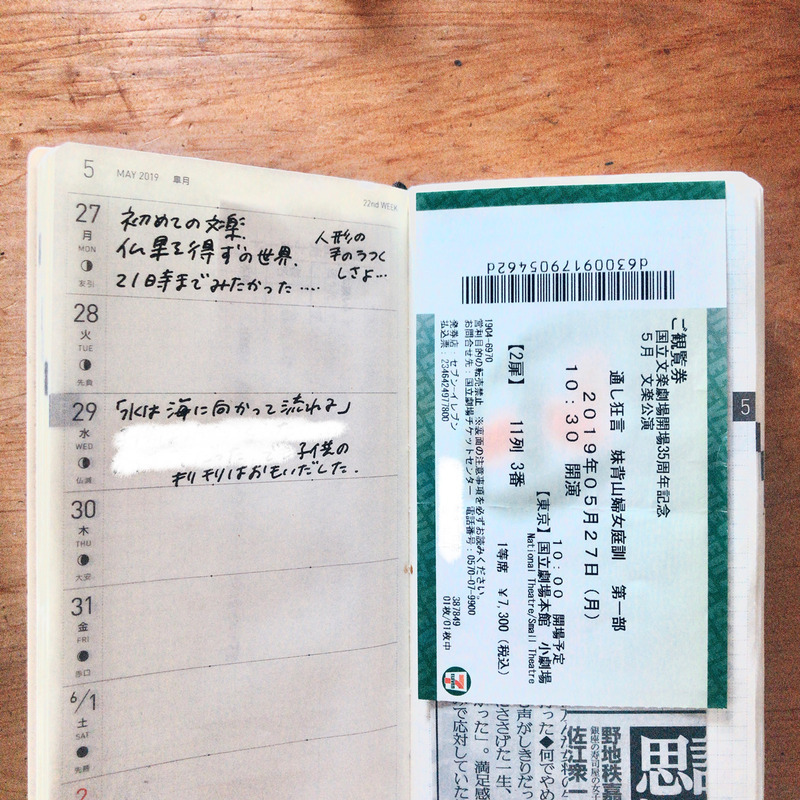
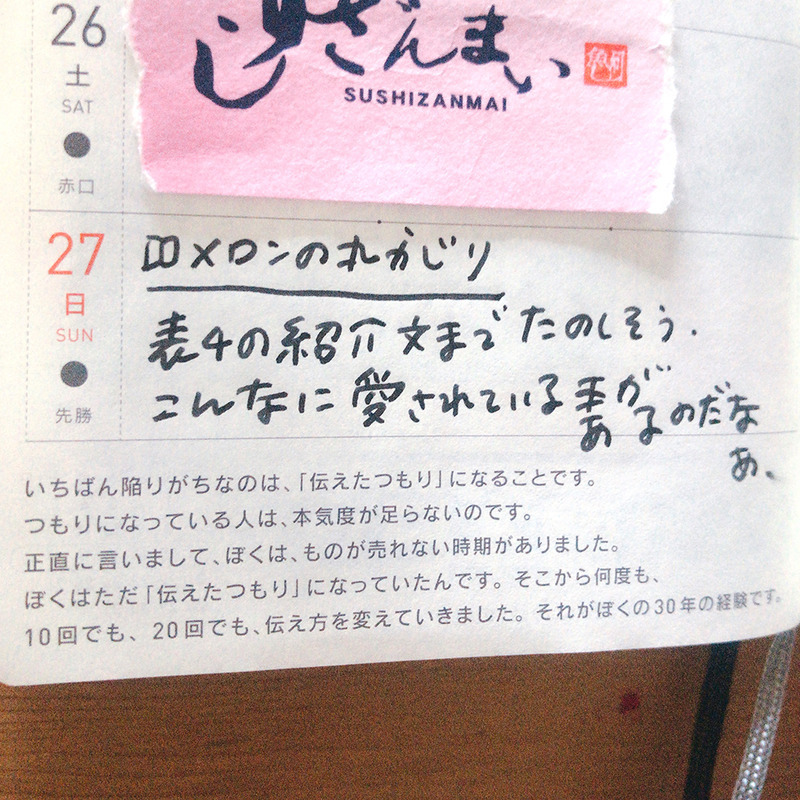
There’s nothing special in the way I use it, but I chose to write the title of the piece and my quick thoughts on it on the left page, and paste tickets, sleeves of the books I bought, and cutouts of newspaper book reviews on the right page.
My reviews are really quick and easy.
An article introducing a novel based on Bunraku (traditional Japanese puppet theatre), a ticket of Bunraku I went to because of the novel and my thoughts on it.
I use the memo pages towards the back of the book to paste newspaper cutouts that I was moved by and other things I’d want to see multiple times throughout the year.
I paste large newspaper articles by folding them.
[What I found interesting]
Because the Weeks layout allows me to see a record of a week's worth, I found it interesting how I can see how my thoughts developed through the books and exhibitions I read and saw.
For example,
April 29
I ate Czech cuisine to discuss a Dashenka cover. (The restaurant's name was Dasehnka too!)
↓
April 30
I bought books by Dashenka's author Karel Capek that someone told me during the meeting.
↓
May 1
I bought a book by Mari Yonehara, a Russian translator and author who had lived in Czechoslovakia before. I became interested in Czech and Russian dishes that appeared a lot in her book.
↓
May 10
I bought Yonehara's book, which is a collection of essays written on the topic of food. I loved the design of the book cover and checked the credits to find out it was Shinbo Minami's work. It reminded me of a book written by Minami named "Soutei (bookbinding) that I read during high school.
↓
June 1
I ended up buying "Soutei." It had been 10 years since I last read it. It was fresh to read even now, and I reminisced on when I read it for the first time and it made me happy.
… Like this, I'm able to keep track of how I chose a book, a bit like a word association game. Now I don't have to feel frustrated not being able to remember why I chose to read a particular book. It's a record that would only be meaningful for me, but I mean, techo's are for yourself isn't it?
[Other fun things]
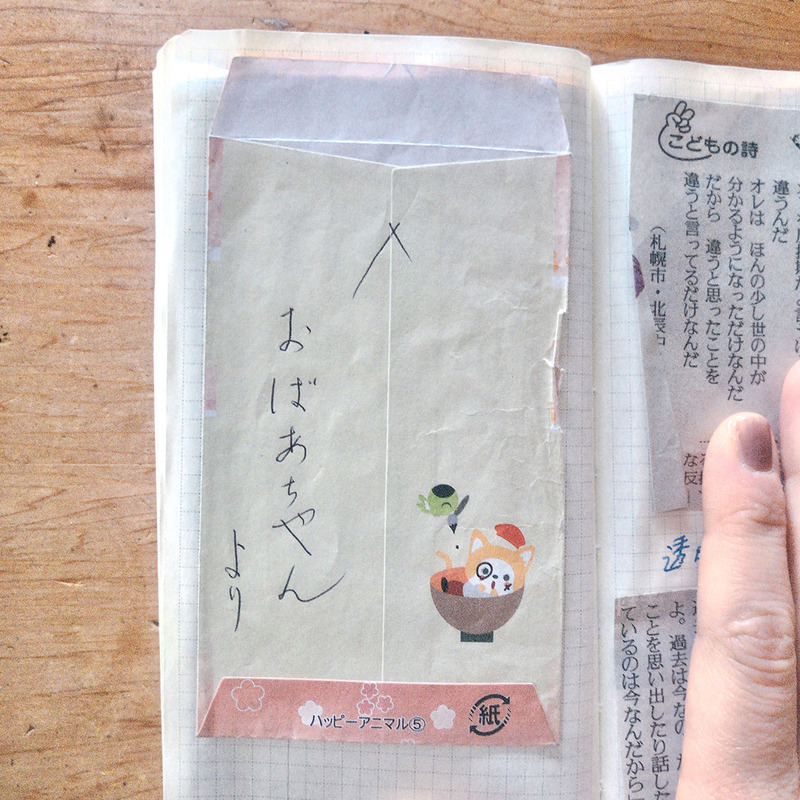
I occasionally pasted chopstick bags from the bento’s I ate when going to a concert, or packages of items I bought at exhibitions too.
Chopstick bag of a Sukiyaki bento I ate.
The name of the socks I bought was funny.
It's fun how I can remember small things like how I saw Mt. Fuji from the bullet train I was on to head to a concert while eating a Sukiyaki bento, or how I bought "Ancient Microbes Socks" at the National Museum of Nature and Science to see their dinosaur exhibition.
I also pasted a sticky note memo that came with a book I borrowed.
[My thought after using it for a year]
Because the space in which you can write everyday is compact in the Weeks, my reflections ended up being short. But I think this was the key, as I was able to continue writing in it feeling relaxed.
By just writing a short sentence, I was able to remind myself where I was attracted to in a piece and my thought process of when I was reading a book. It also came in handy when I wanted to talk about a certain piece to someone.
A pastry shop representing Tokyo
Hi everyone!
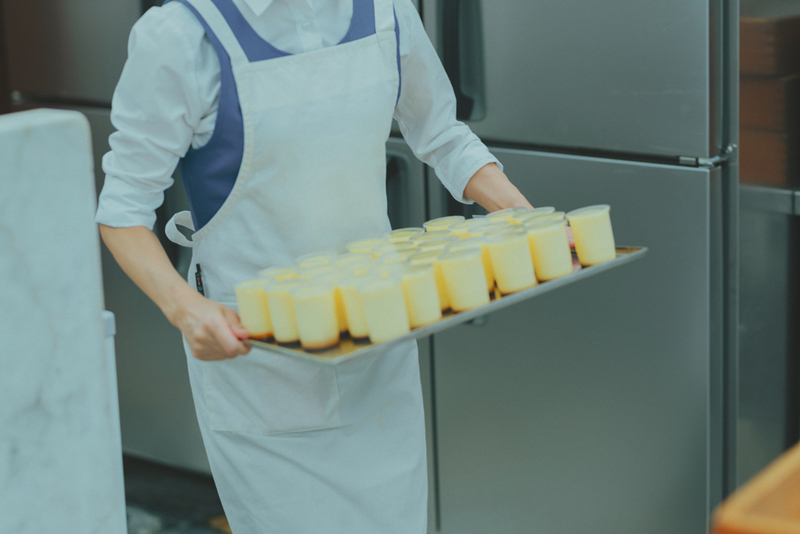
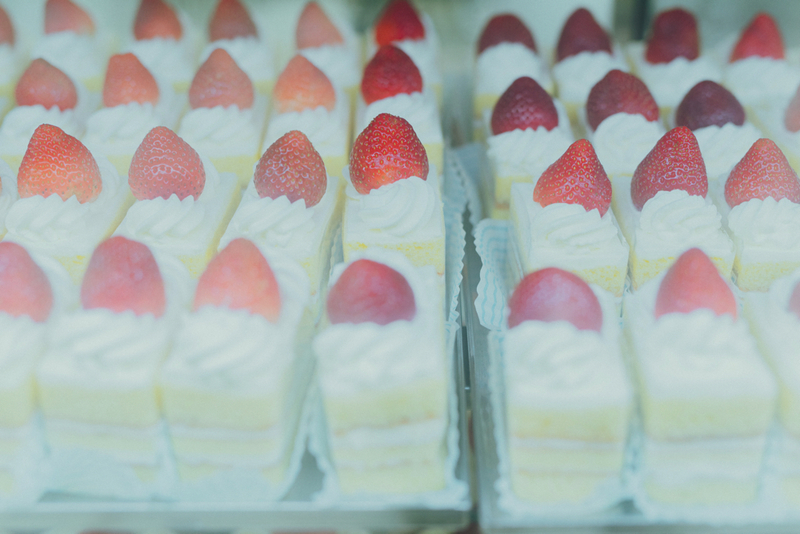
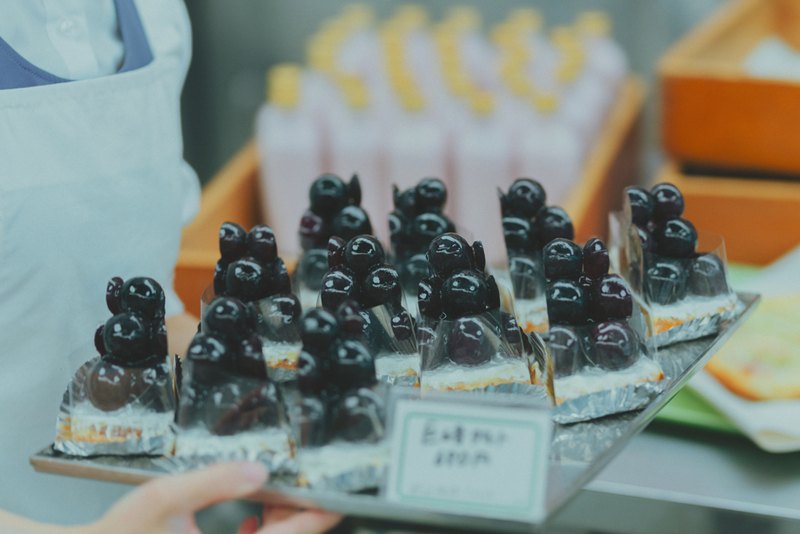
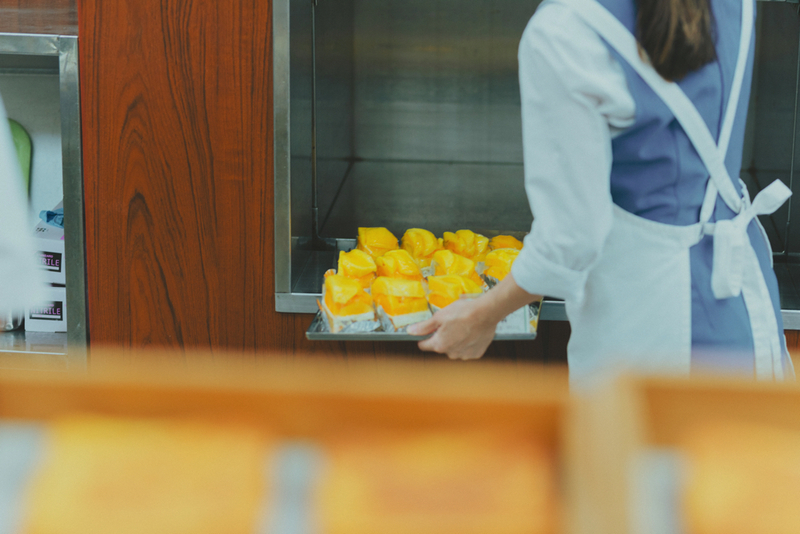
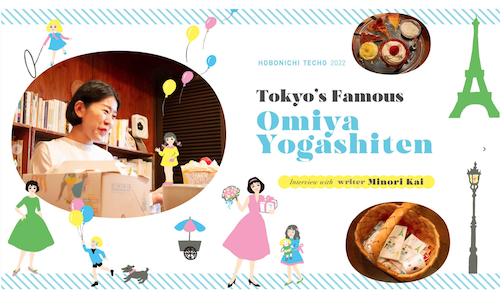
The article where we interviewed writer Minori Kai about Omiya Yogashiten has been uploaded.
Kai, who not only has deep knowledge of cute wrapping paper but on various goods that are fun to use in your daily life, lovingly talks about Omiya Yogashiten that has been a place she had admired for a long time.
Please take a look!
Read the article >
Hobonichi Note in an eyewear shop?
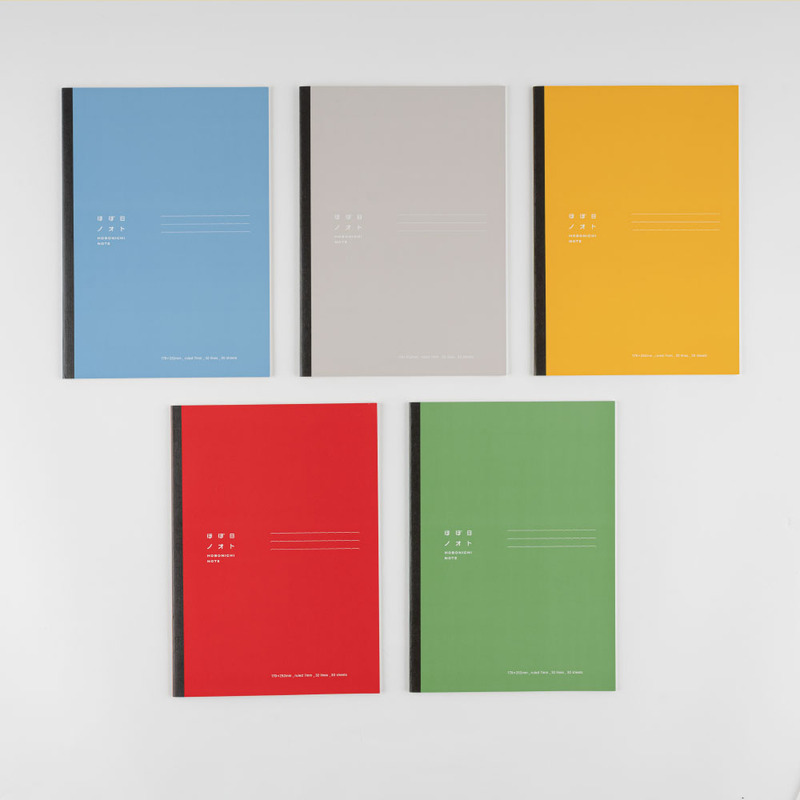
The Hobonichi Note started sales on November 1st.
We’ve received a few remarks from those who had seen the “Where to Buy” list (only available in Japanese) on how it will also be sold in eyewear shops, and that’s right! This time, the Hobonichi Note will be sold in several Paris Miki shops (eyewear brand) in Japan.
The novel ruled lines that reduce eye strain is the main characteristic of this brand new notebook. Someone who’d be thinking about the importance of eyes would be . . . an eyewear shop! That’s why we introduced eyewear brand Paris Miki to the concept and characteristics of this notebook, and they have kindly decided to sell the Hobonichi Note in some of their stores in Japan.
This is how the Paris Miki Narita Misatodai shop looks like. They have arranged an old sewing machine into a table to line up the Hobonichi Notes. It makes me happy to see it displayed like this!
Tokyo Sweets Guide: Cafe Chopin
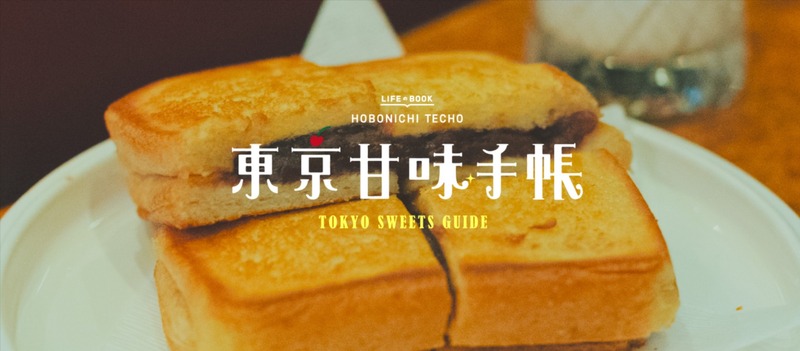
Tokyo Sweets Guide is an article that focuses on shops in Tokyo that are perfect to spend time writing your techo while eating something sweet. Since they are only available in Japanese on the Hobonichi Techo Online Magazine page, here is a summarized English version.
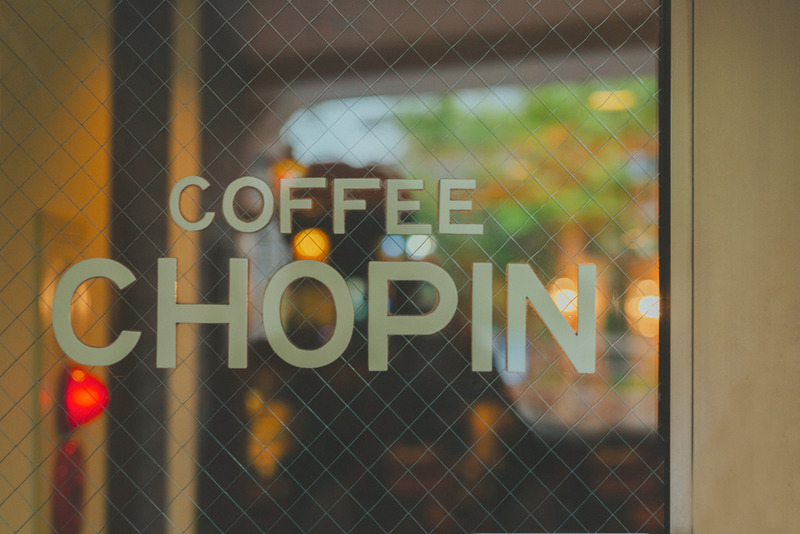
This time, it features a cafe close by to wester sweets shop Omiya Yogashiten that was featured last time, named Cafe Chopin.
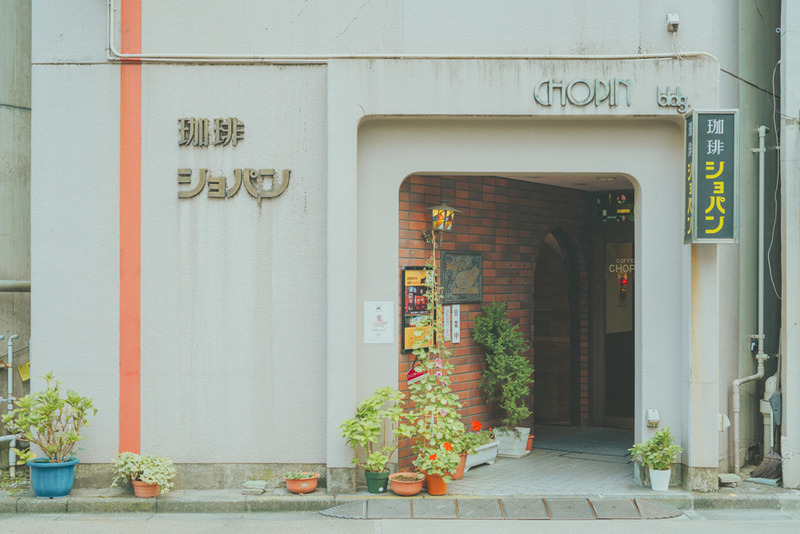
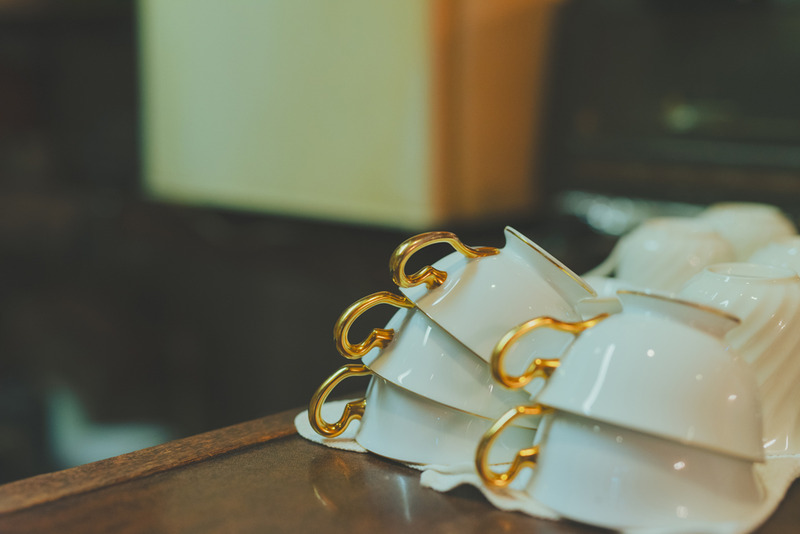
Tokyo Sweets Guide: CAFE CHOPIN
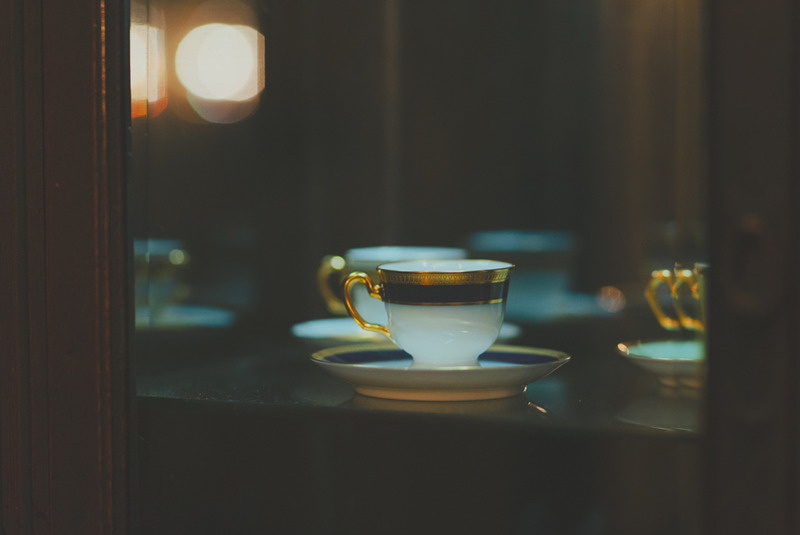
A cafe located in Kanda Suda-cho, an area with places loved by locals for a long time, such as soba noodle restaurants and sushi restaurants.
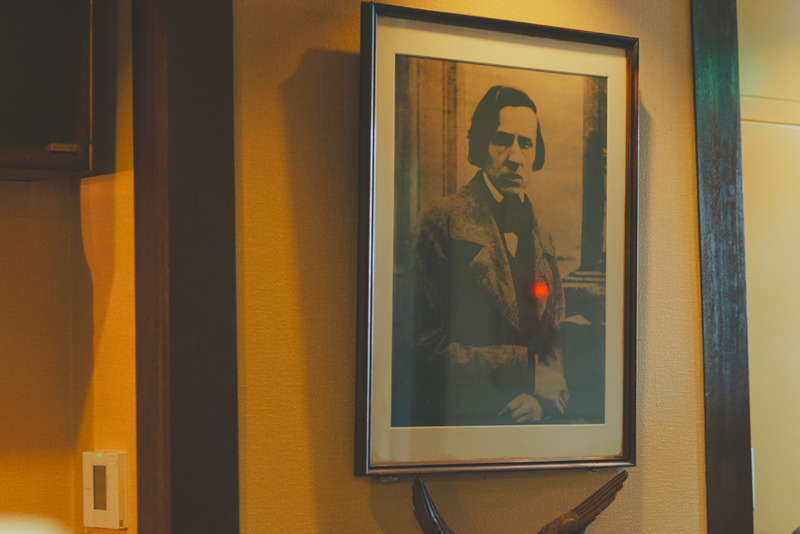
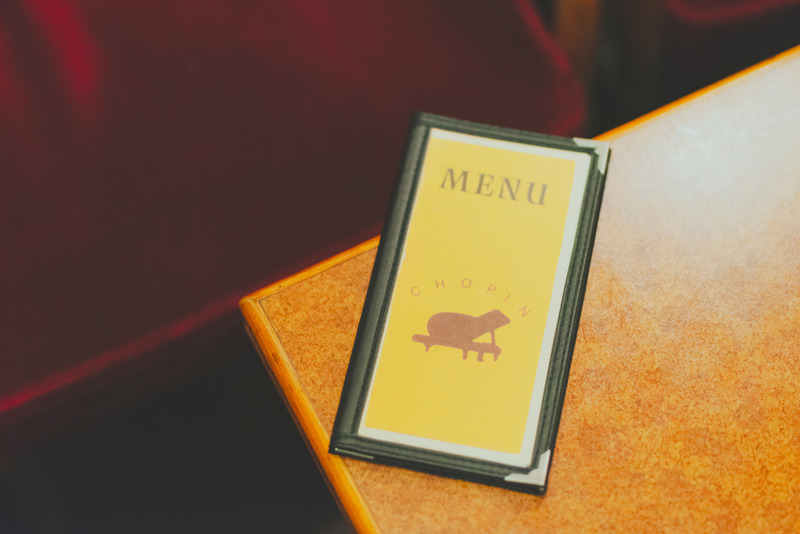
Founded in 1933, it will mark its 88th year this year. Around the time when this cafe opened, this area was popular amongst the younger generation as there was Jimbocho’s famous book district and Ochanomizu’s student town close by. “Chopin” was popular as a classical music cafe to listen to classical music with vinyl.
Actually, the founder didn’t know much about Chopin or classical music in general. The reason why it was named “Chopin,” however, was because a salesperson of a vinyl shop thought their vinyl albums will sell well if this cafe played lots of classical music, so they insisted it should be named “Chopin.”
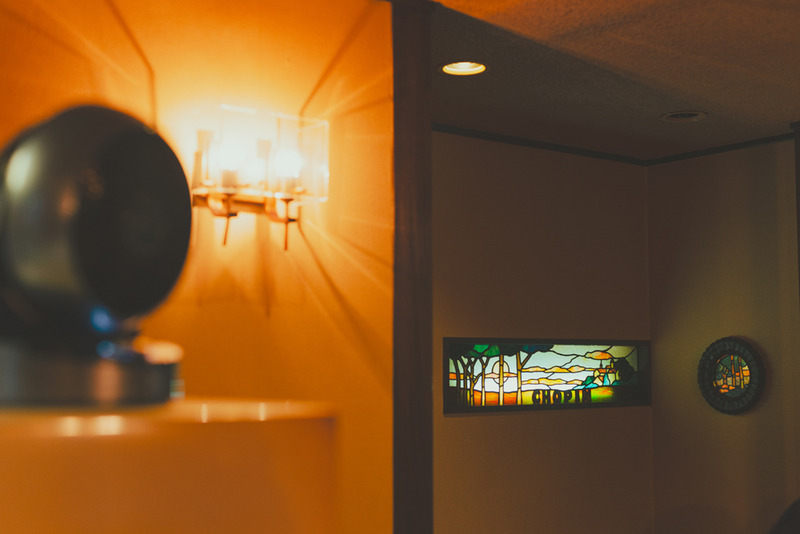
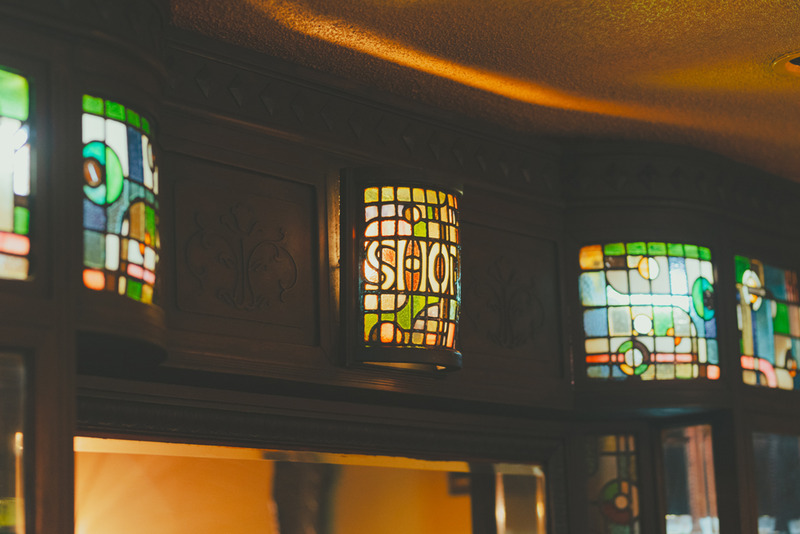
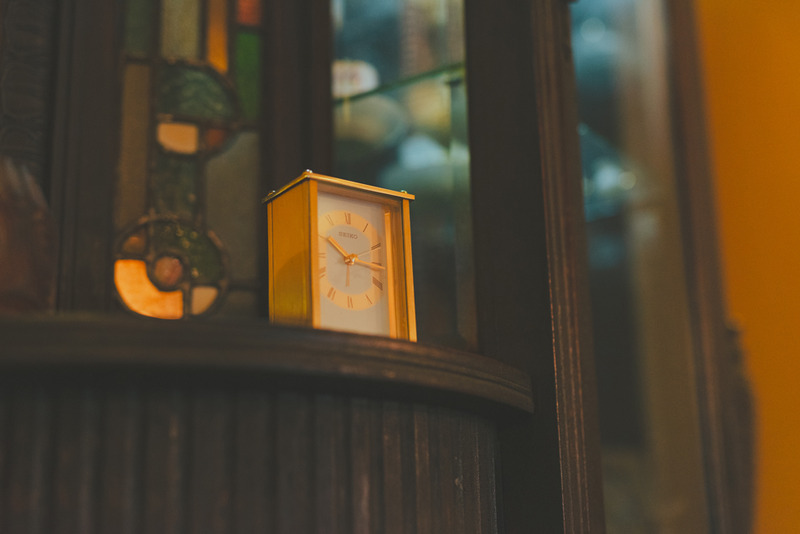
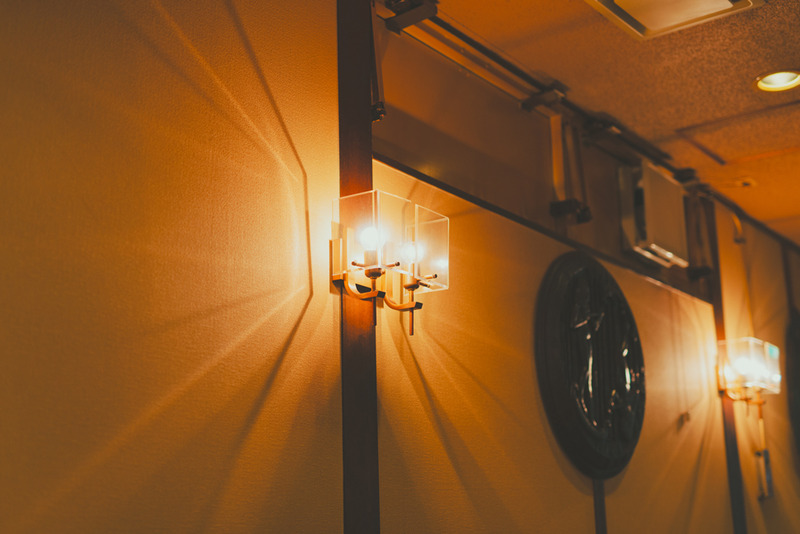
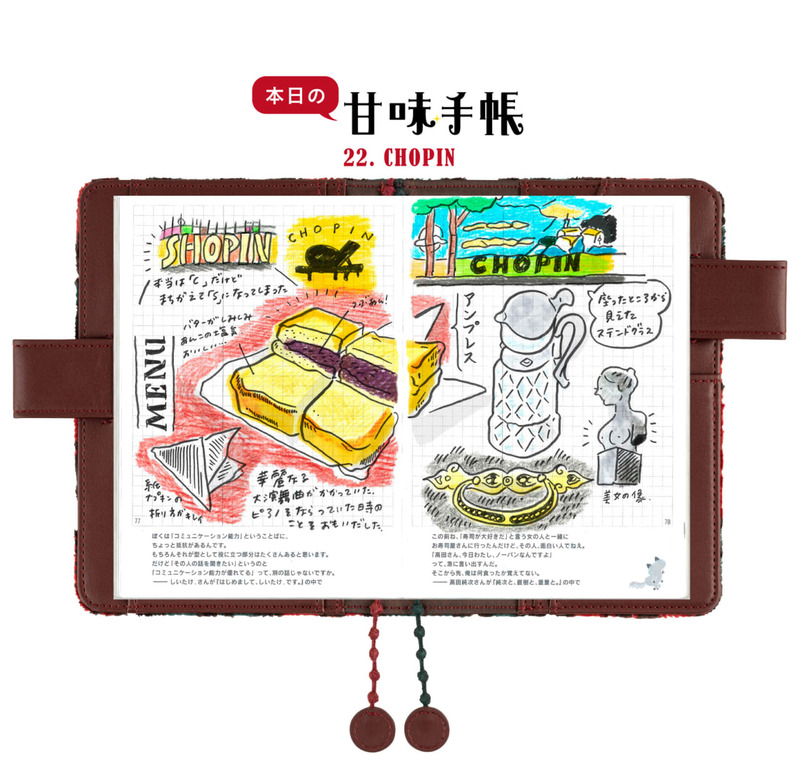
Yukiko Okamoto, the wife of the 3rd generation shopkeeper and current owner of the shop also told us how the stained glass inside the shop says “Shopin” instead of “Chopin” as the founder misspelled it. (Laughs)
Chief Nobuhiro Sasaki, who makes coffees and light meals, has worked here for 49 years.
“So many things have changed over the past 49 years. After the bubble economy popped, it isn’t as crowded anymore. The vinyl we played has changed from SP records to LP records and has then switched to reel-to-reel audio tape recording, CDs, auto-changer, and now we use the Walkman (digital audio player) to play music.”
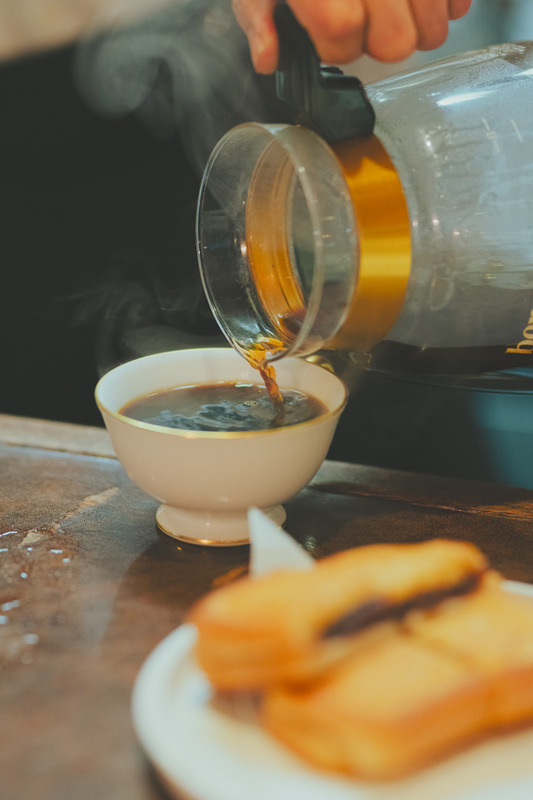
The way the younger generation listens to music has changed over the years, but the taste of Chopin’s coffee, using lots of beans that are lightly roasted, hasn’t changed from the beginning.
The misspelled stained glass
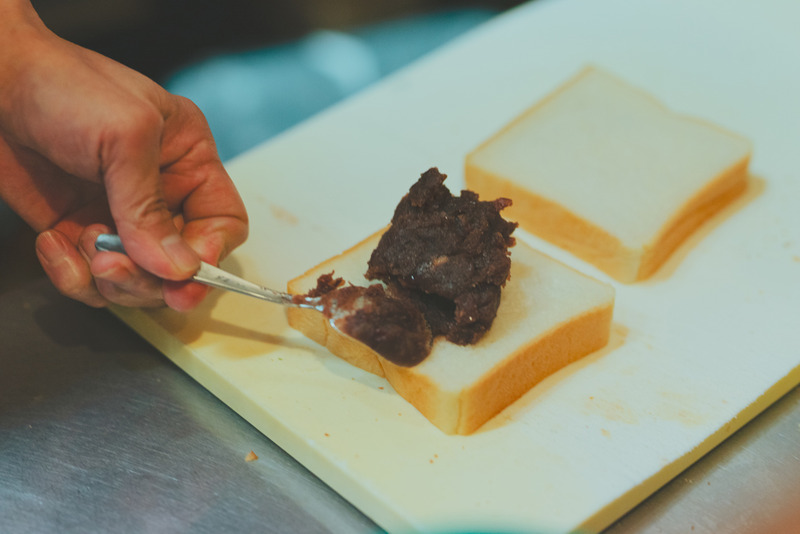
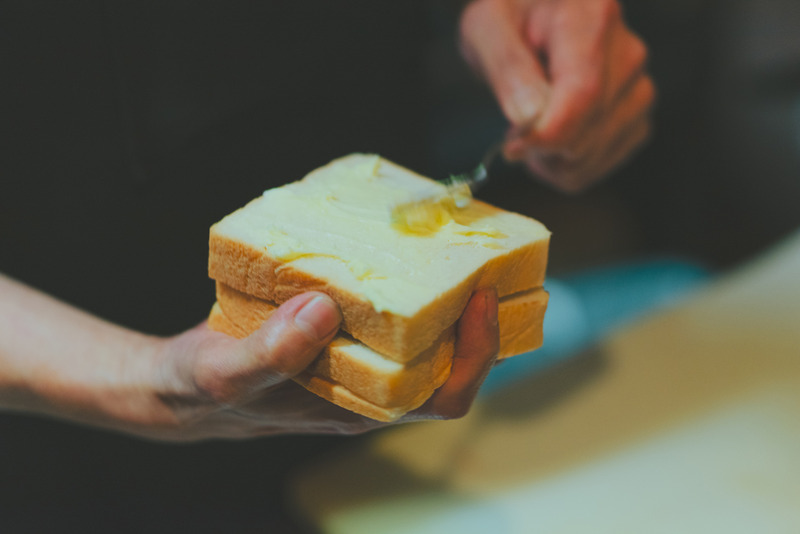
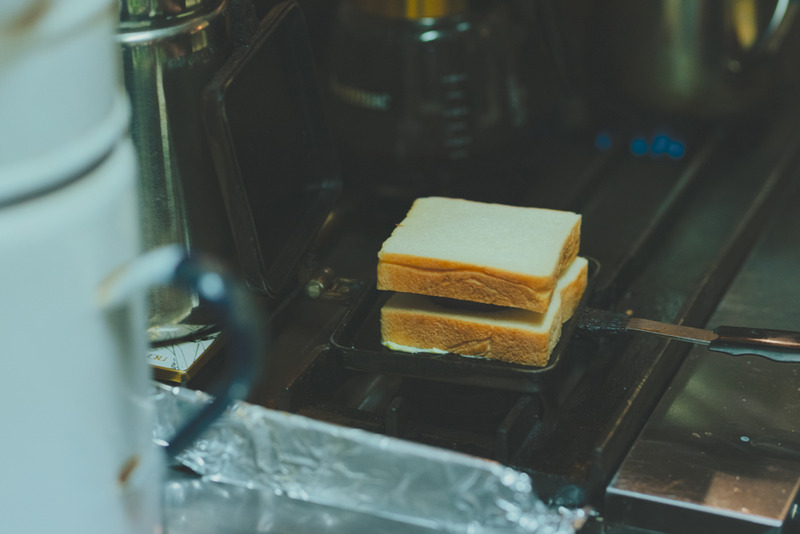
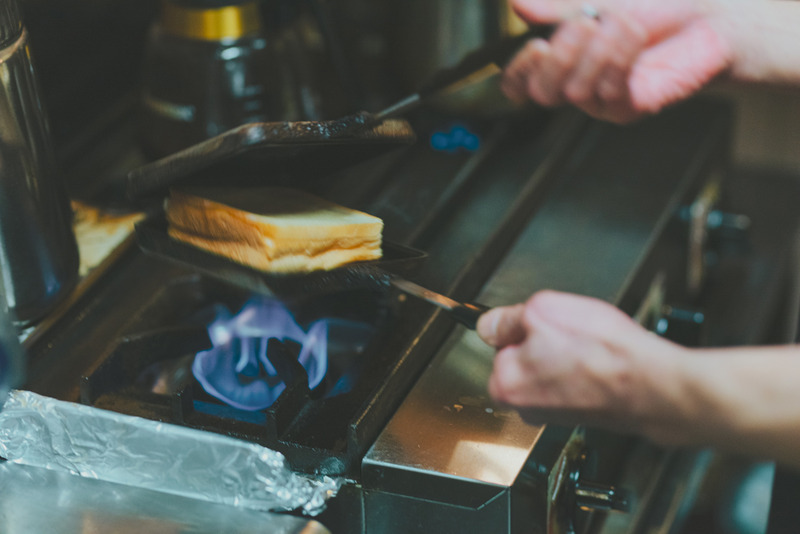
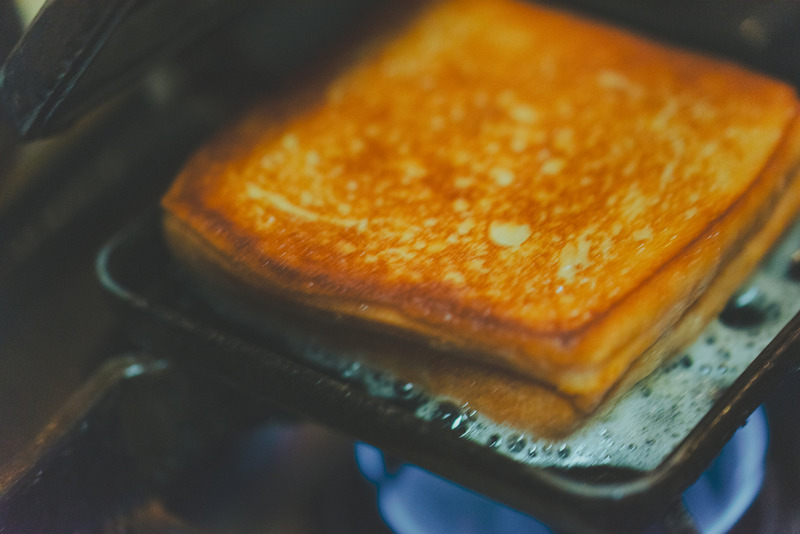
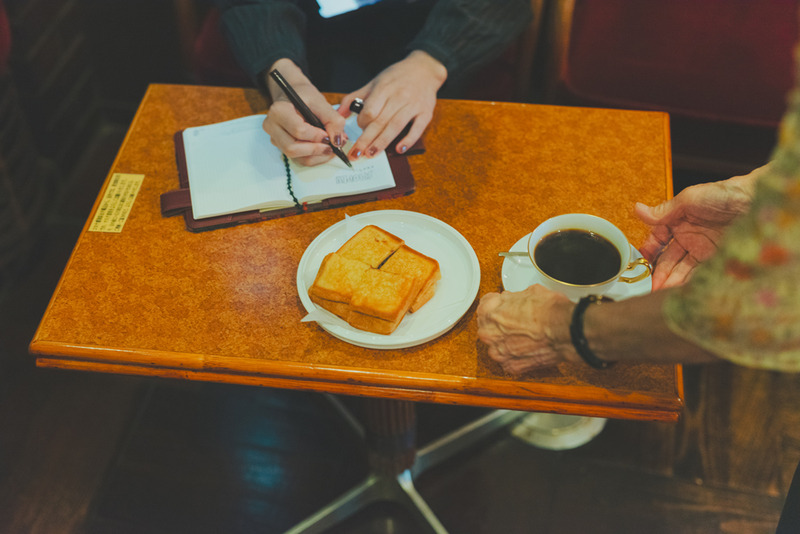
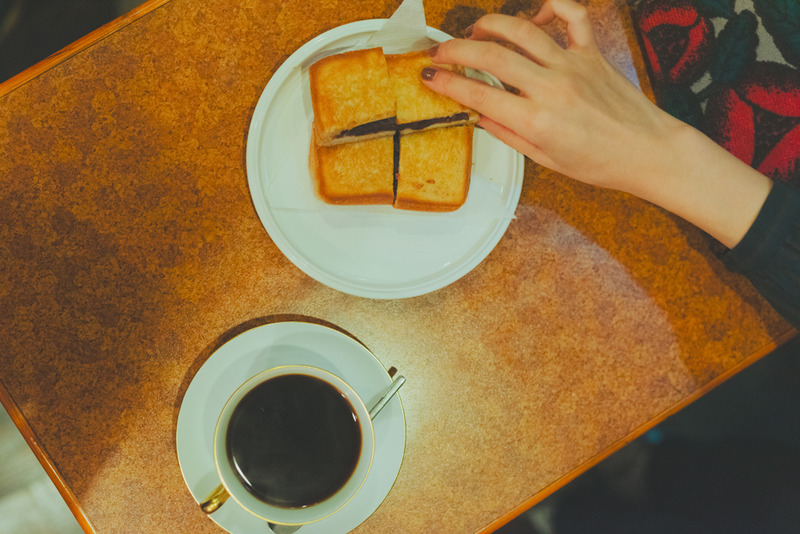
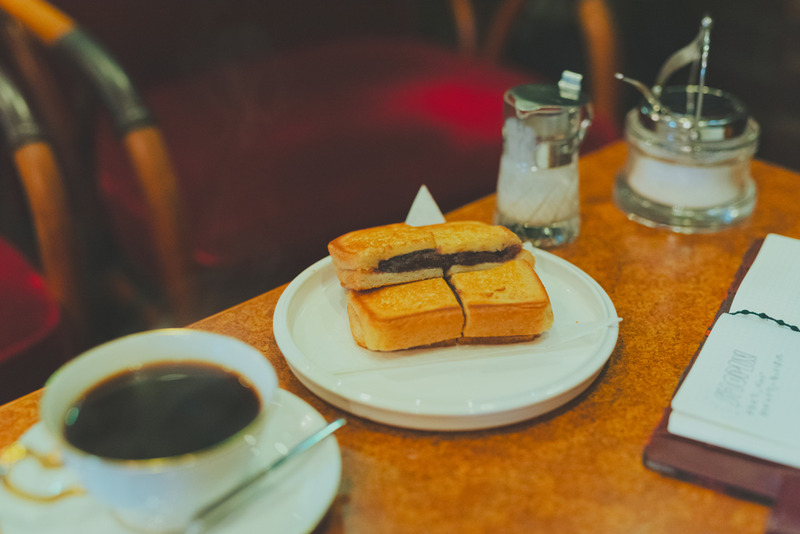
The toast’s thickness is 2cm. Anko (red bean paste) is heaped on.
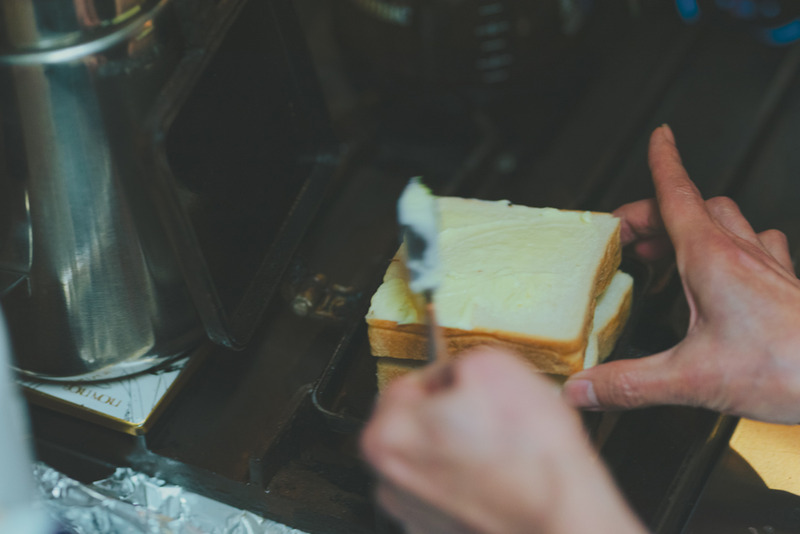
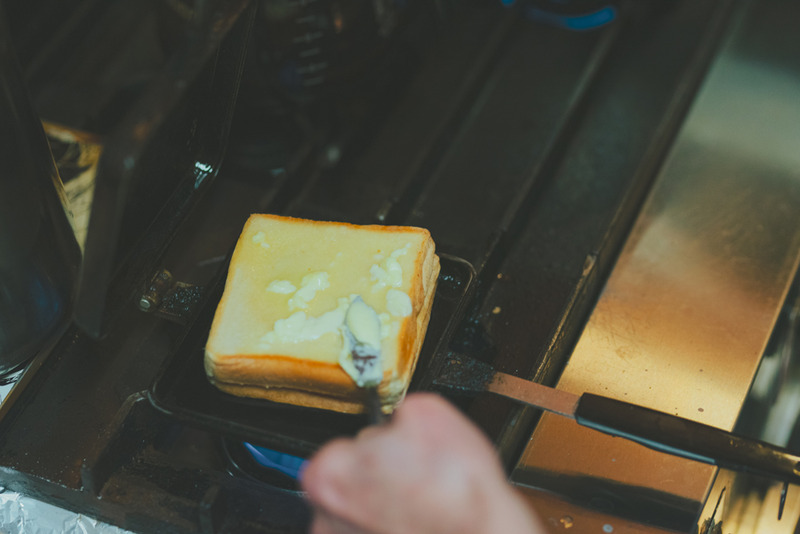
It’s then sandwiched and smothered with butter.
Layered with even more butter!
And another smothering of butter!
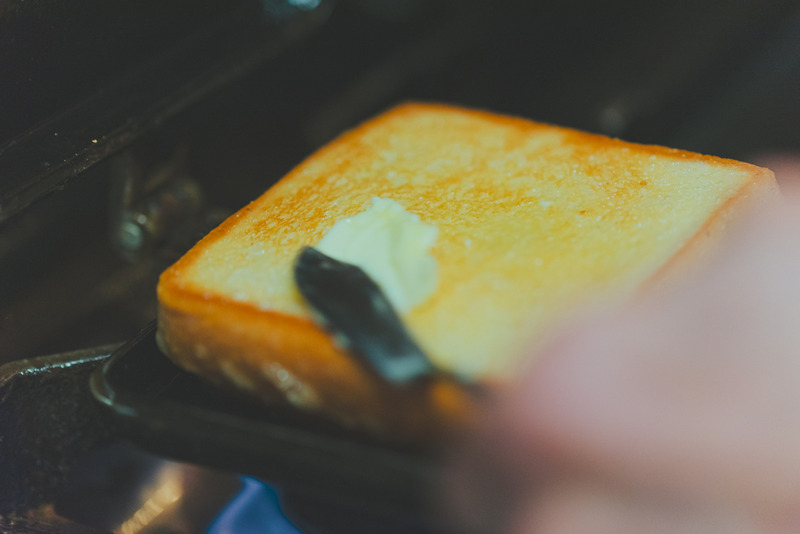
The final addition of butter
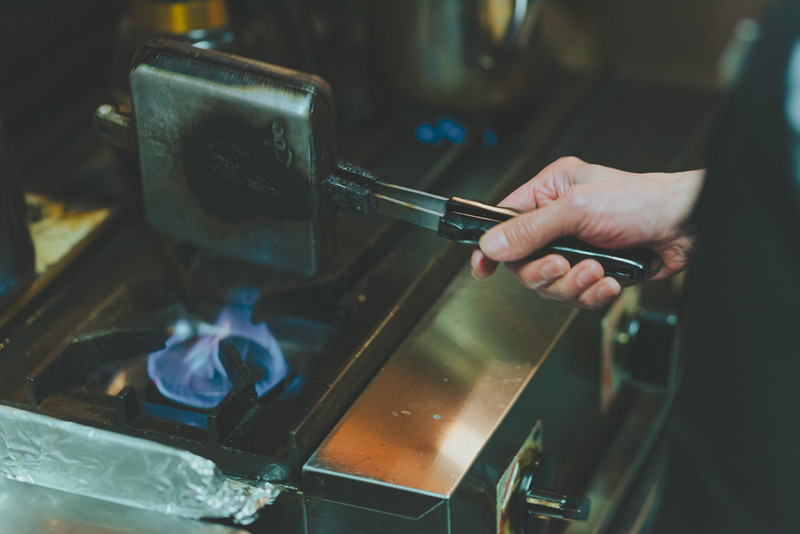
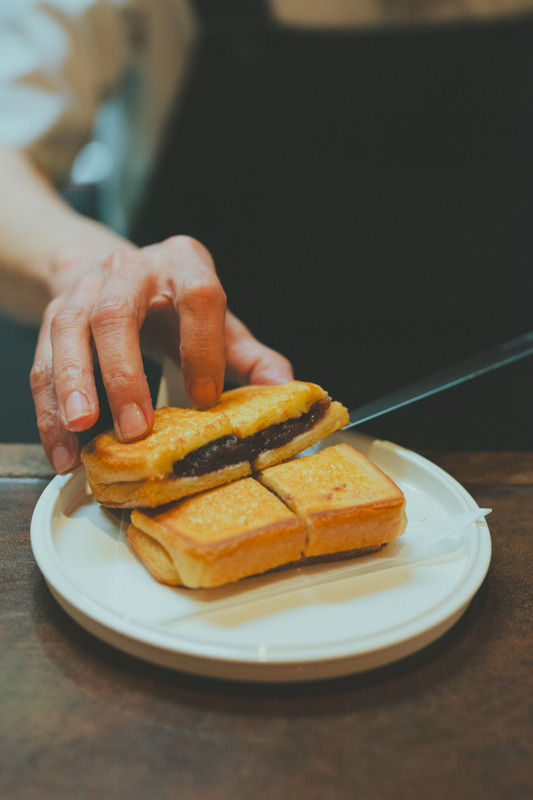
The toasty color, the smell . . . How yummy does this look?
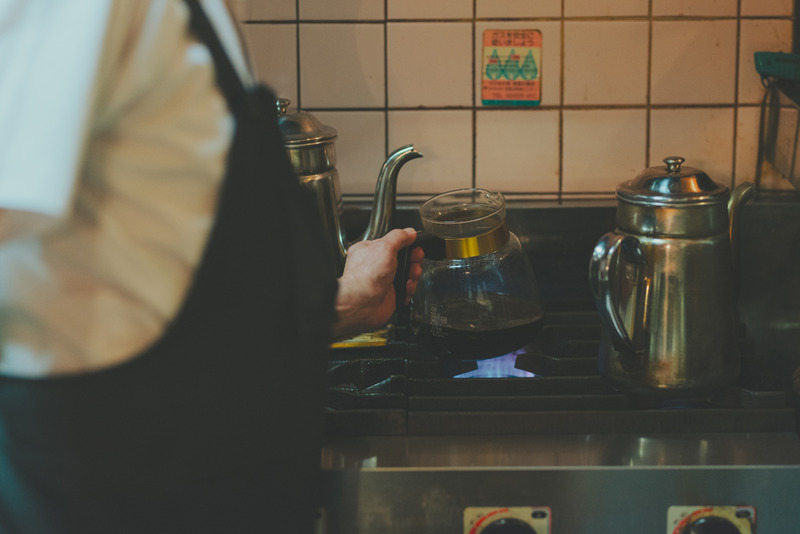
Has a deep taste made with lots of beans that are lightly roasted.
Today’s Sweets
An Press 500 yen
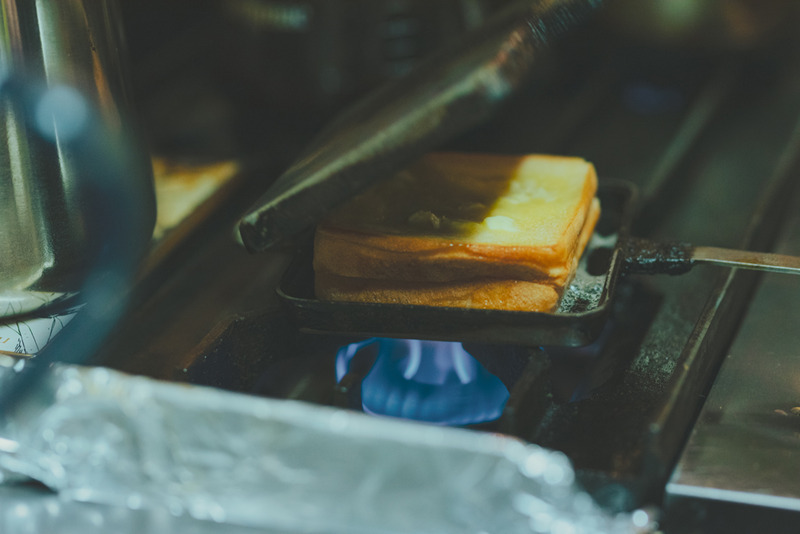
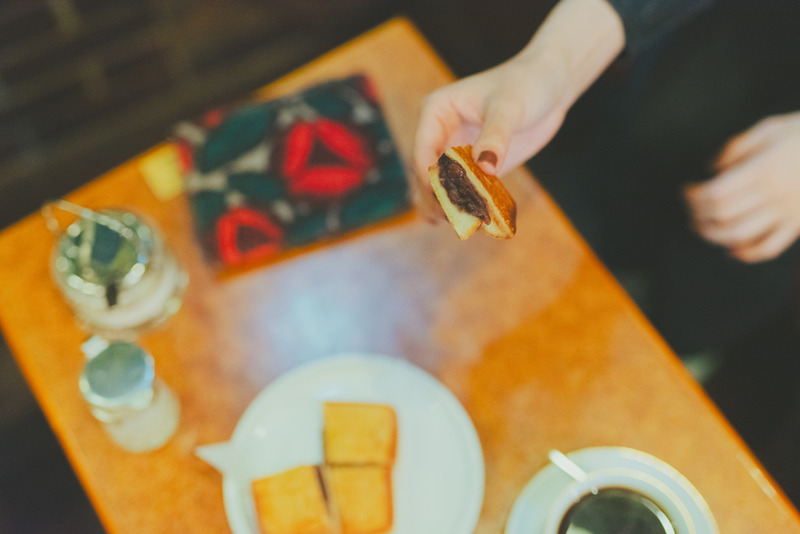
Uses shoku pan (white loaf) from Suzuki Bakery, who they have known each other for over 50 years. It’s sandwiched with anko (red bean curd) and toasted gradually by adding lots of salted butter. Chief Sasaki came up with this idea.
“I started making these when a customer who came to our cafe every day told us they were getting bored and wanted to try out something new.”
The saltiness coming from the butter soaked in the fluffy bread combined with the sweetness of the red bean curd makes this dish a delicious one. Because they are created one by one using a single sandwich press, only one An Press or other hot sandwiches can be ordered per group. Please order food menus with a drink. Blend coffee is available at 550 yen.
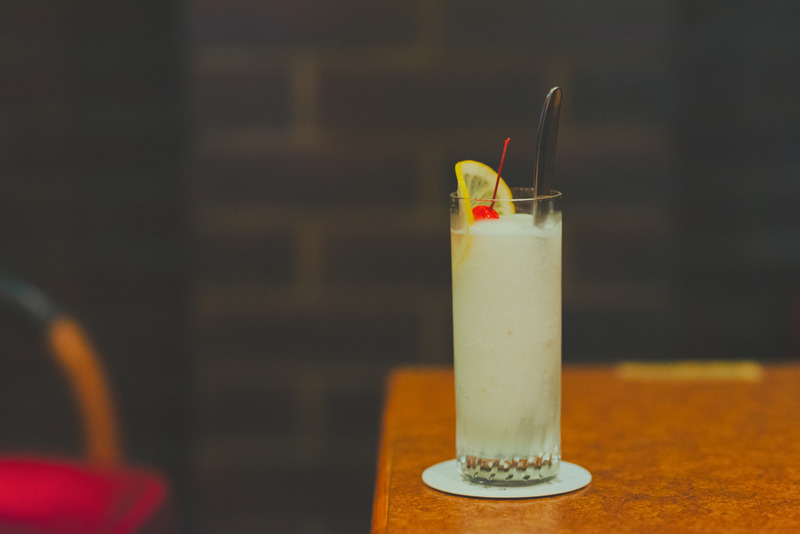
Lemon Juice 650 yen
This sherbety drink is made by blending lemon, ice and sugar in the mixer. Start of by using scooping it with a spoon, and drink it using a straw once it’s metled. In the lineup of fresh juices, there are bananas and strawberries. (Strawberries are available for a limited period of time: from Mid December to April)
--------------------------------------------------------------------------
Shop Details
1-19-9 Suda-cho, Kanda, Tokyo
Hours: 8AM to 8PM (Saturday 11AM to 8PM)
Closed days: Sunday, Holidays
Telephone: 03-3251-8033
--------------------------------------------------------------------------
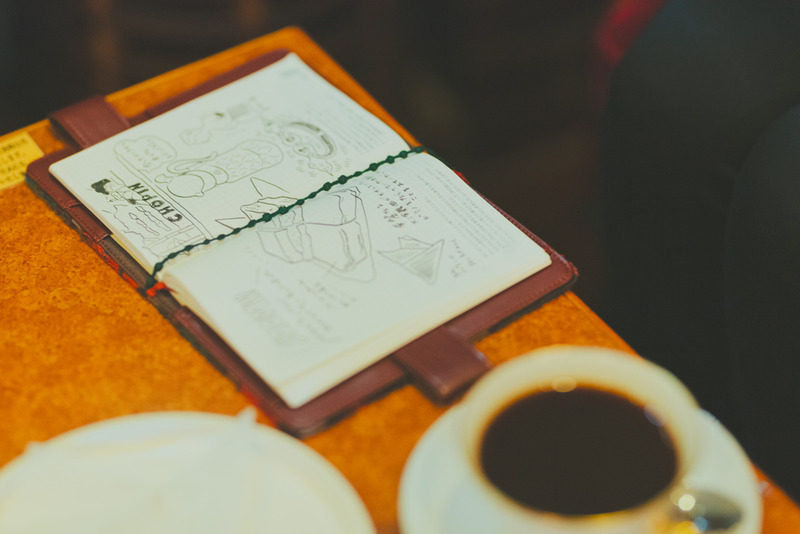
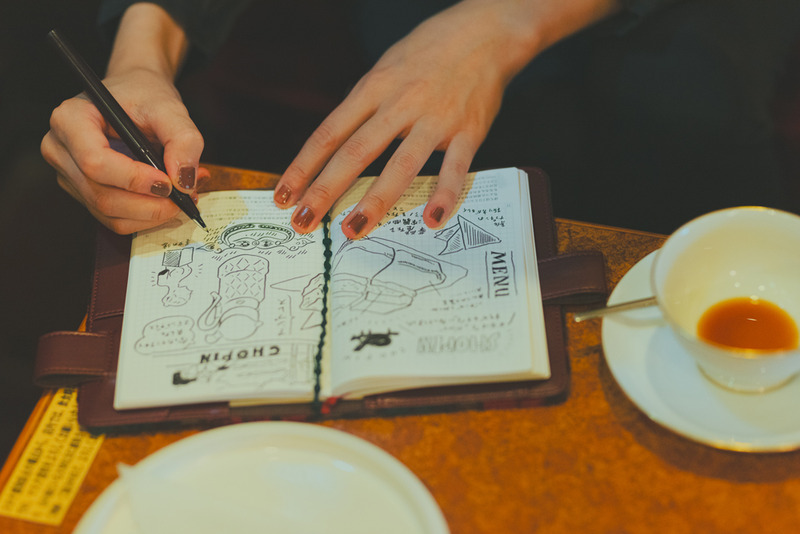
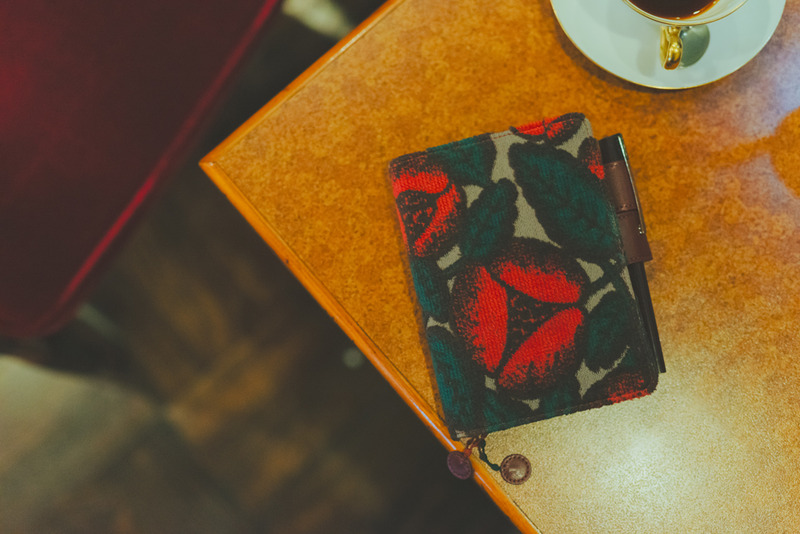
Today’s Techo
*See the original article here.
*Tokyo Sweets Guide main page
Photography: Nobuki Kawaharazaki

Taut (Beige & Navy) has restocked!
Hi everyone!
Taut (Beige & Navy) has recently restocked.
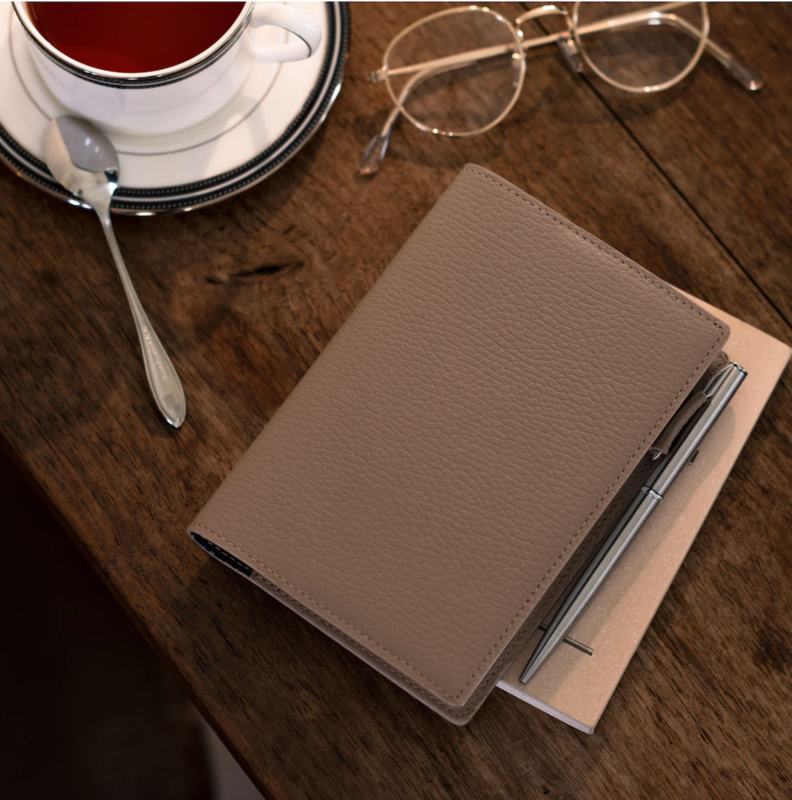
This year's leather uses a reversible leather of beige and navy. The front is a beautiful beige with a tinge of gray.
The navy that peeks through accents the look.
Because it uses soft Italian leather the texture is pleasant and makes me want to touch it again and again. As the name suggests, this cover snugly fits the techo book and has an elegant look.
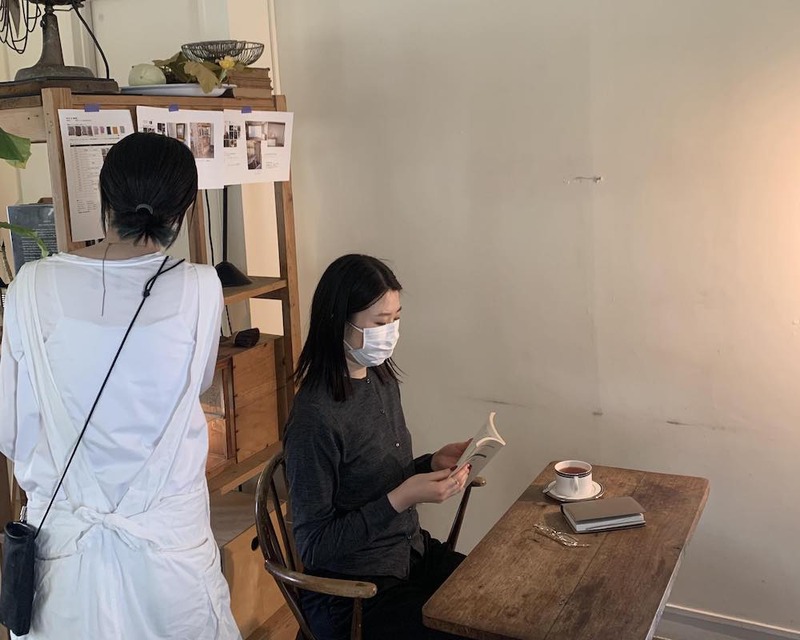
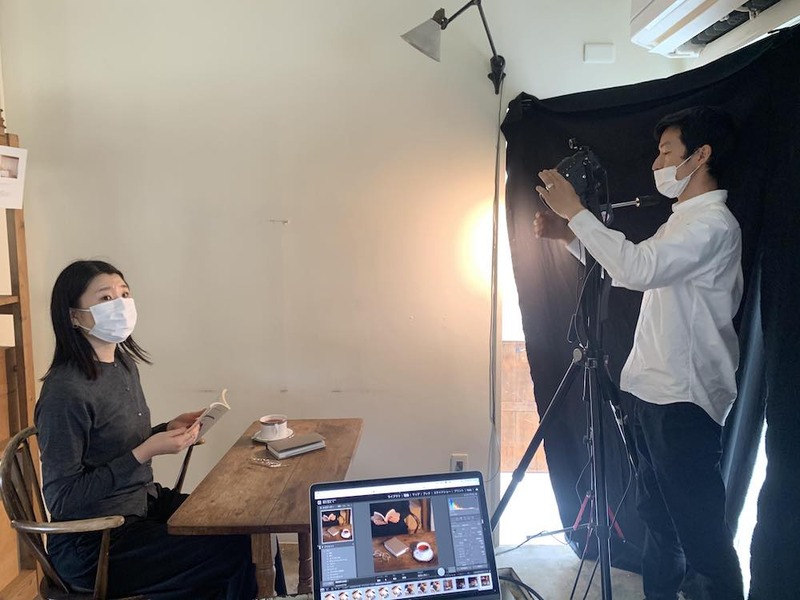
Behind the scenes of when we were shooting in the summer. Brings back the memories!
If you are still considering which cover you should go for next year's techo, check this cover out!
7 things I do with my
Hobonichi 5-Year Techo
*This is a re-edit of Komata’s Techo News from this time last year.
Hello everyone!
This is my third year using the Hobonichi 5-Year Techo. Because I get to look back on my past “today’s” every year, the second year is more interesting than the first, and the third year is more interesting than the second! This was my new finding after using it for a while.
Today, I’ll be talking about the 7 things I do with the Hobonichi 5-Year Techo. It’s nothing special, but I’ve collected a few things that I found quite useful.
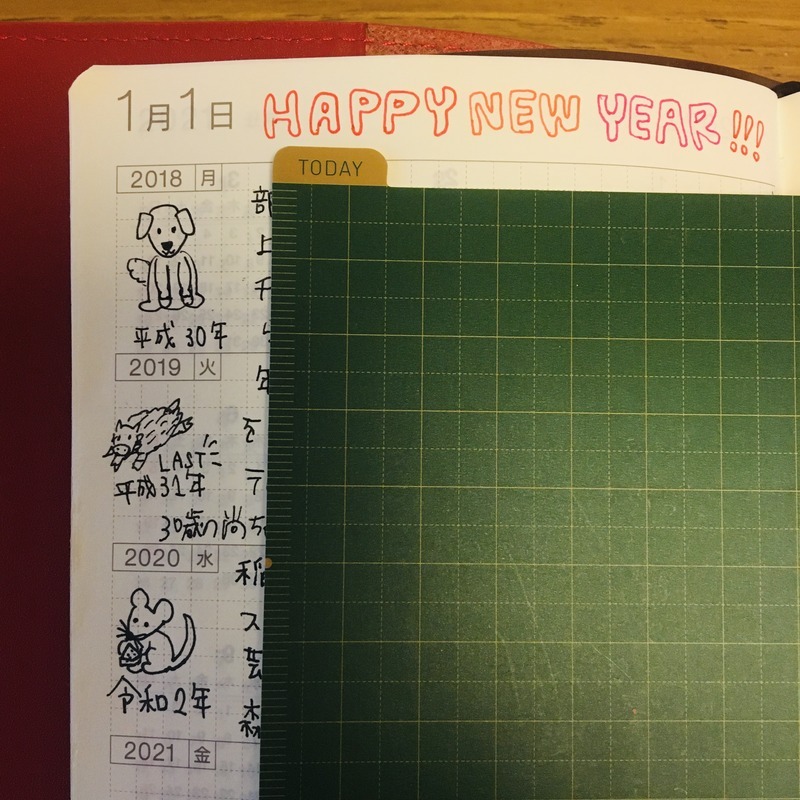
1. Draw the zodiac sign for that year on January 1st
Although I normally fill my techo with words, I’ve decided to draw on this page. I also write my resolutions on this page too, so I find this page is where I put in my effort the most.
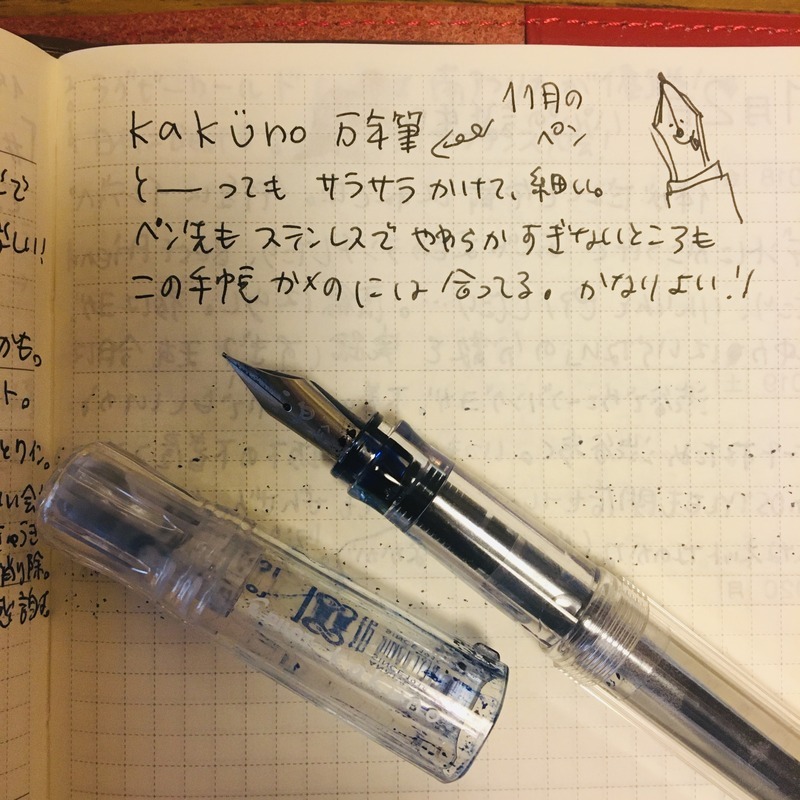
2. Jot down notes about the pens I’m using
In my first year, I changed the pen I used every month to see which pen goes the best with the 5-Year Techo’s paper. After trying out various pens, I found that the kakuno Fountain Pen worked best for me, so I have been using it from the second year onward.
3. Use a pencil board
I had actually never used a pencil board with the Weeks, which is the techo I use daily, but I decided to use a pencil board for the 5-Year Techo because I wanted to keep the pages tidy knowing I’d be using the same pages for 5 years. This turned out to be successful! I can write stress-free without applying too much pressure. It also works as a bookmark as well. I’ve actually started to use a pencil board for my Weeks book too!
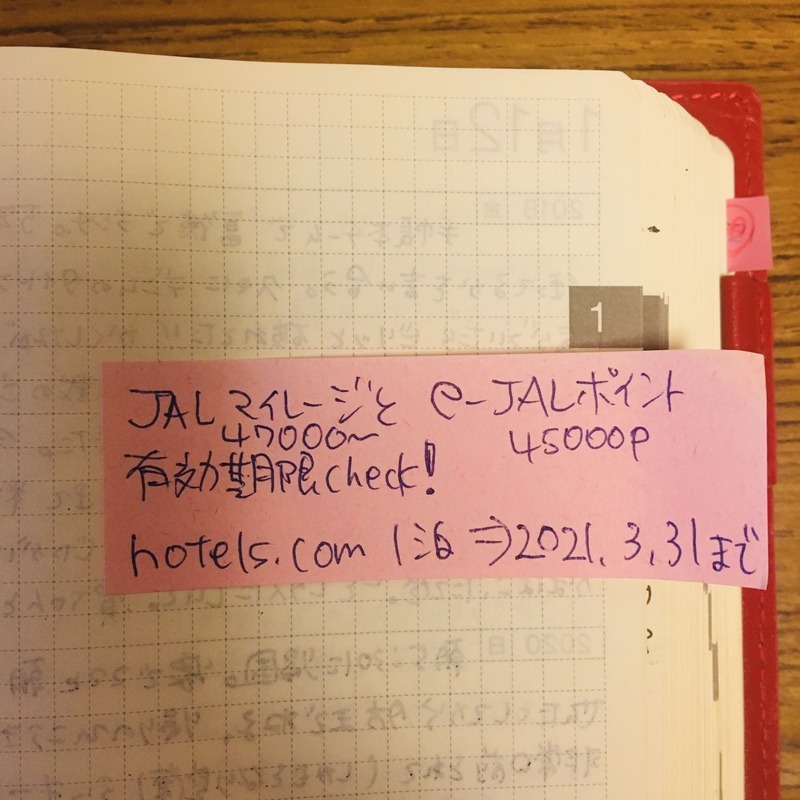
4. Write down plans scheduled way ahead in the 5-Year Techo
For plans I want to remember across the years, like tickets for plans scheduled way ahead, I write it down on a sticky note and paste it in my 5-Year Techo like a bookmark. If it were a techo for a single year, I’d probably even forget that I had written a memo, but this way I won’t forget it!
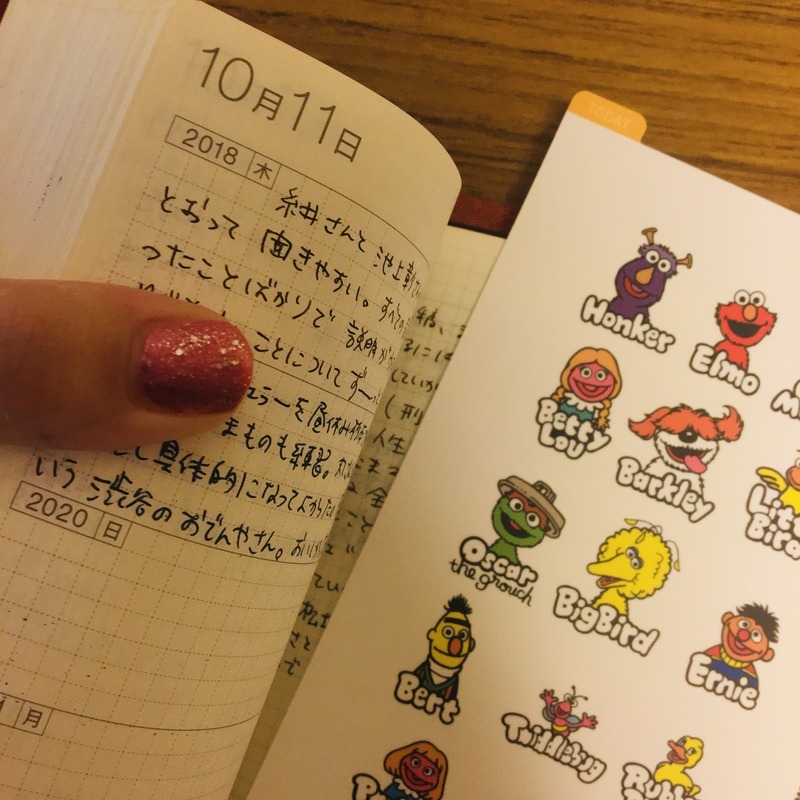
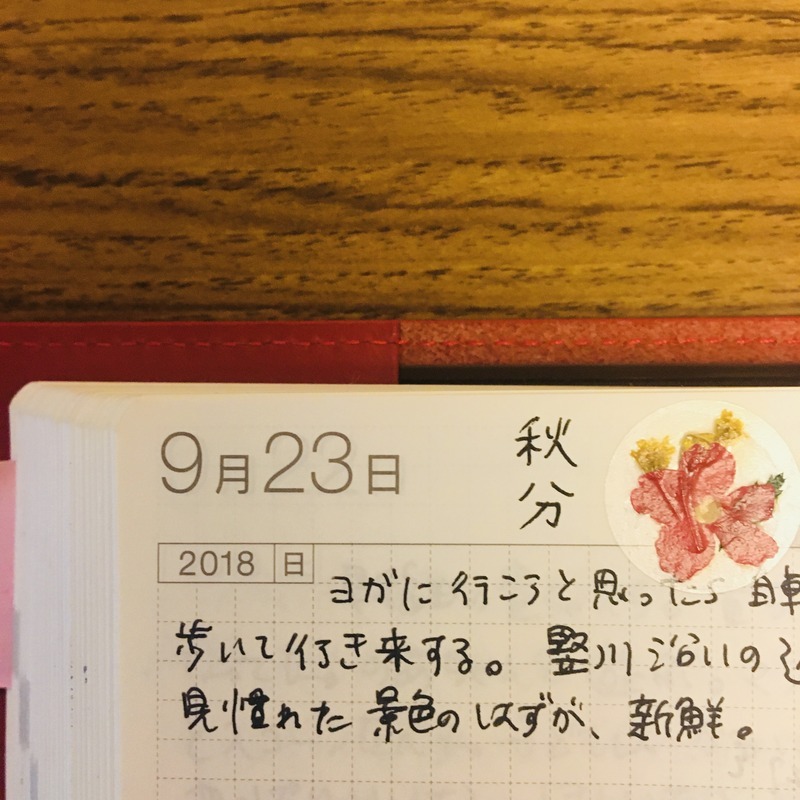
5. Paste stickers for when the season changes
I paste my favorite press flower stickers when the season changes. I also paste cute stickers on my friends and family’s birthdays and for slightly special days.
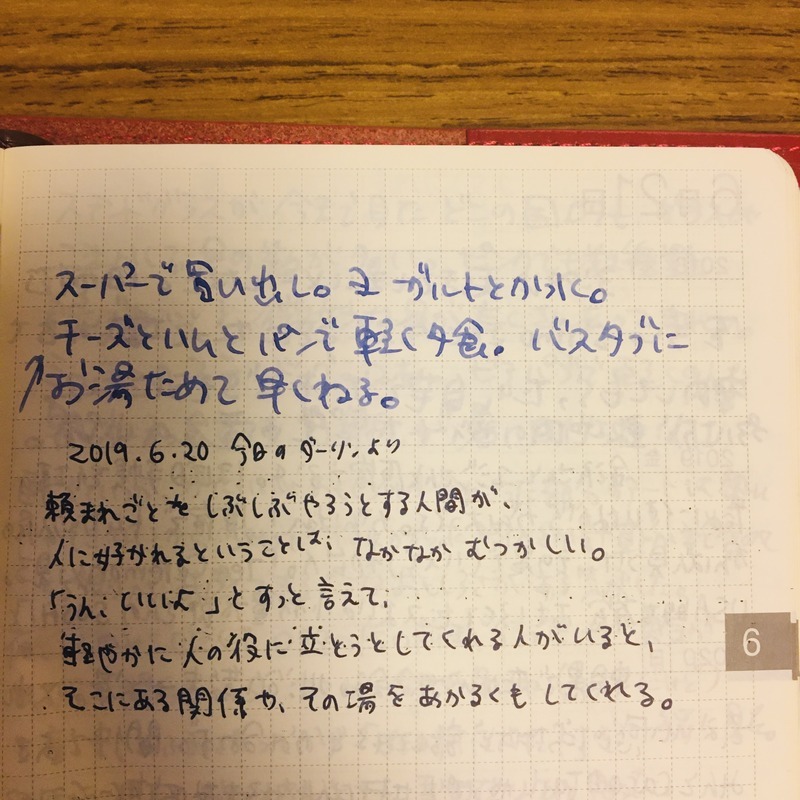
6. Write down extracts of“Today’s Darling” from the Hobonichi website
“Today’s Darling” is an essay by Shigesato Itoi posted on the Hobo Nikkan Itoi Shinbun and it doesn’t have any archives. Although not every day, I pull out phrases that meant a lot to me and write them on the right page for my future self. I often find myself feeling glad that I had written it down.
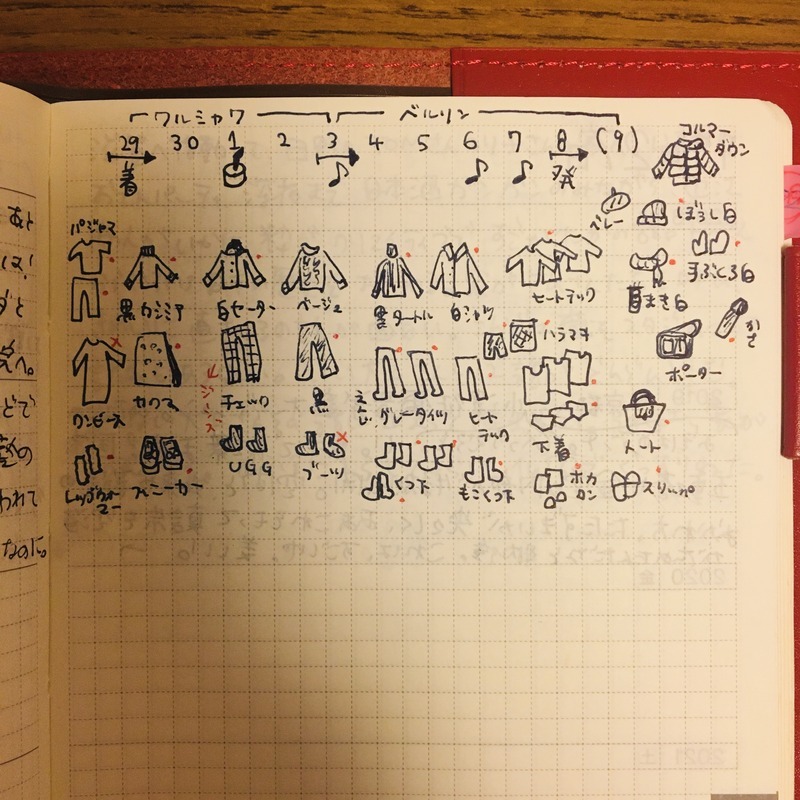
7. Write down travel packing list (mainly clothes)
By writing it down, it becomes a handy reference for when I travel next, and I find it super useful. I also have another page where I write down outfits for each day. (This memo was for when I traveled to a place where it was said to be -15 degrees for the first time in my life, so I prepared for it extra carefully.)
It turned out to be quite long, but these are the 7 things I do with my 5-Year Techo. I hope you enjoyed it!
Favorite Stationery:
Shikiori Calligraphy Pen
Hi everyone! Today, I'll be talking about my favorite pen, the Shikiori Calligraphy Pen!
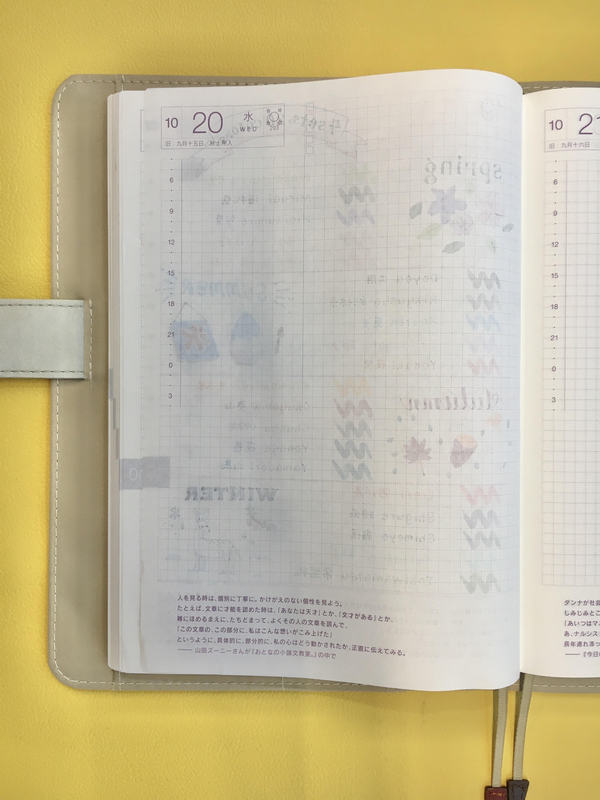
These dual-tip, water-based markers come in 20 beautifully nuanced colors. I found out about them a year ago and have been using them ever since! They weren’t available for international shipping through the Hobonichi Store last year, but they are now this year, so I thought now would be the perfect time to properly introduce them to you.
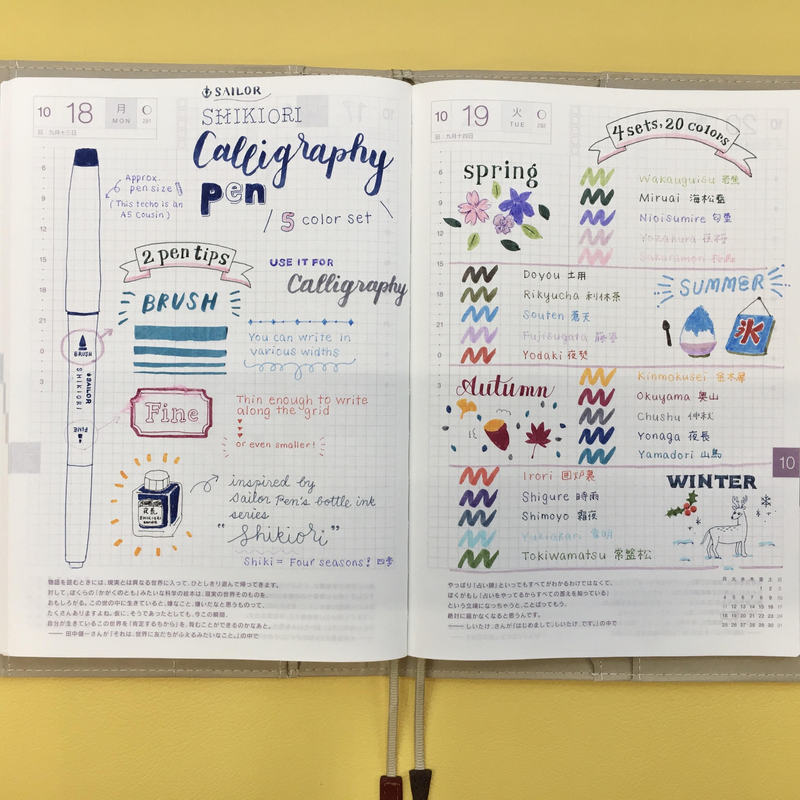
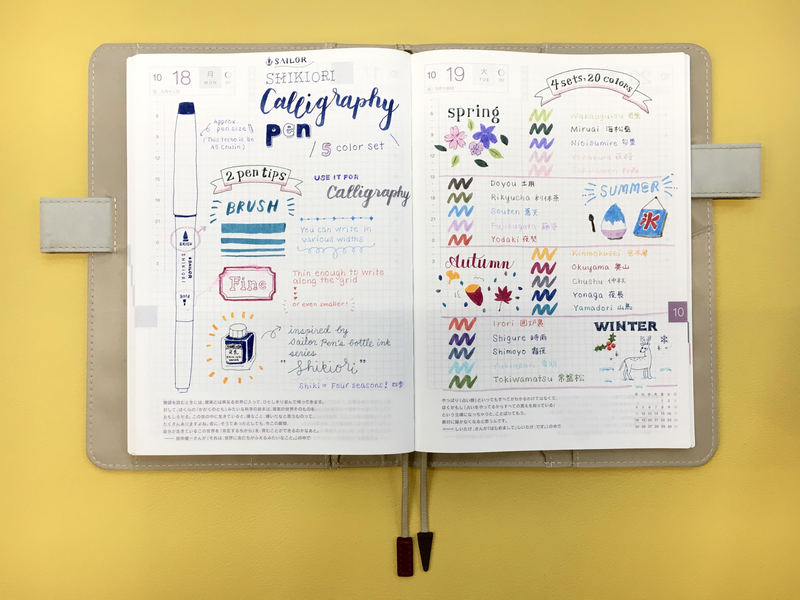
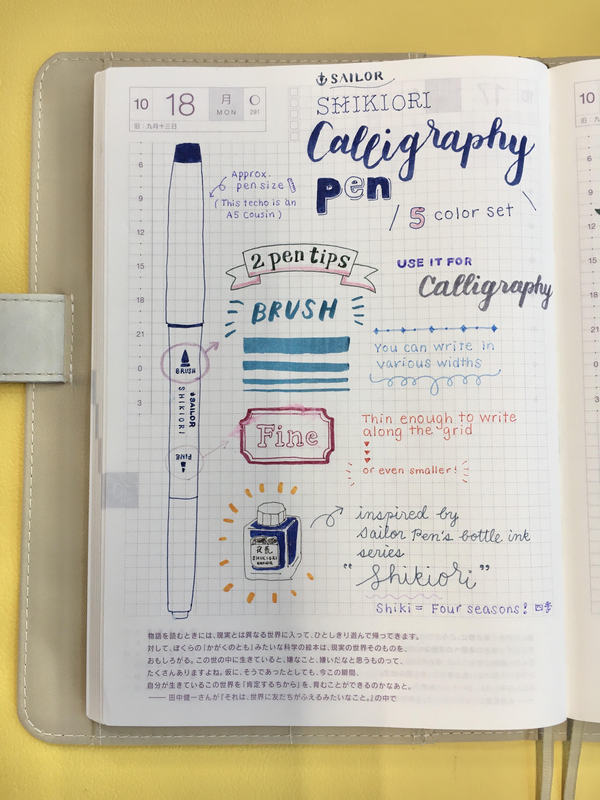
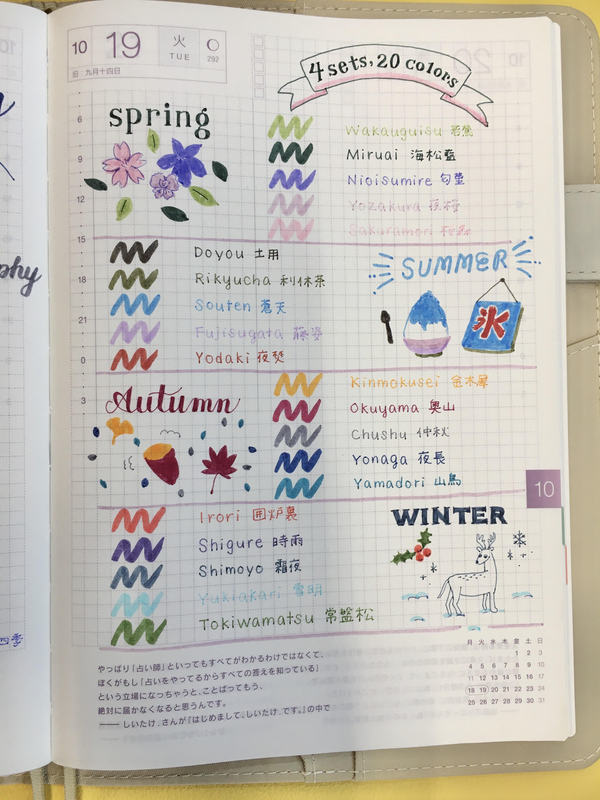
I’ve been using them mainly with my techo, so I decided to write a spread to show you how they look on the Hobonichi Techo’s Tomoe River paper.
There are so many things I love about this pen, but to name a few . . .
(1) The pen tips are easy to use
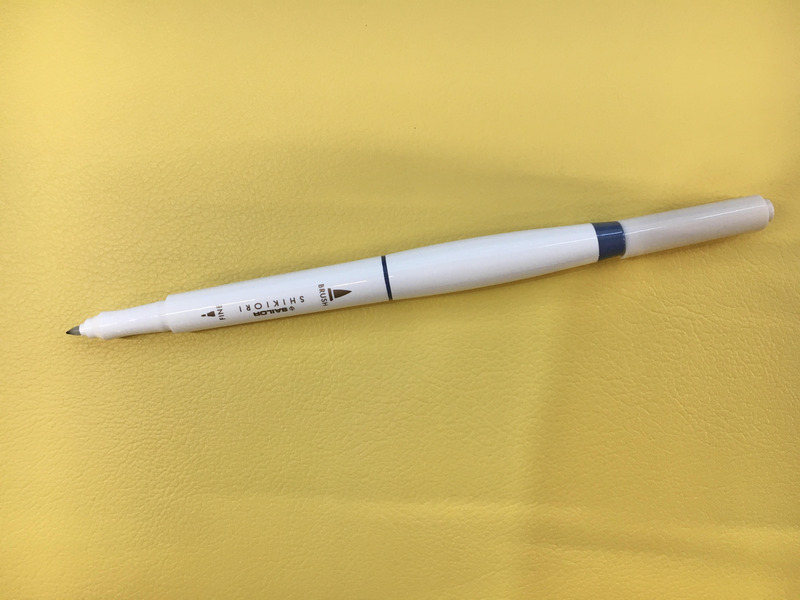
As I mentioned earlier, these pens have two types of pen tips: the brush and the fine pen tip.
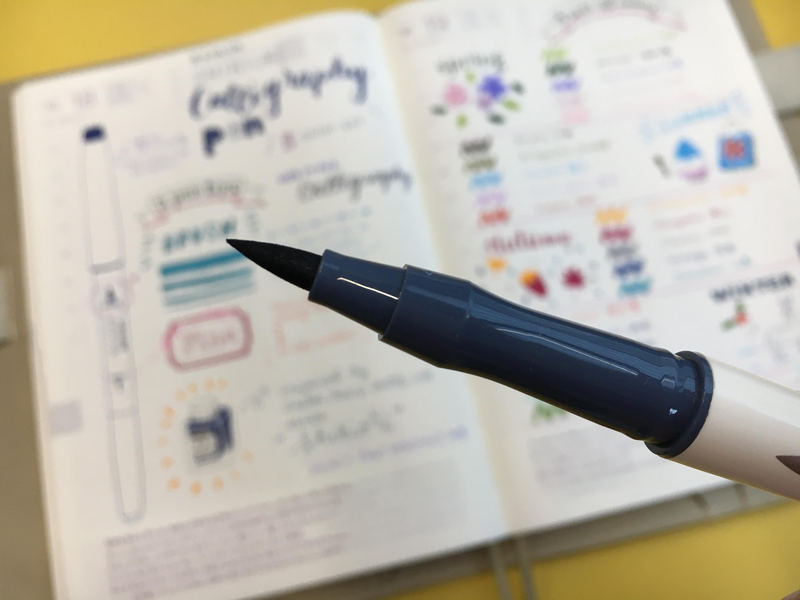
Brush
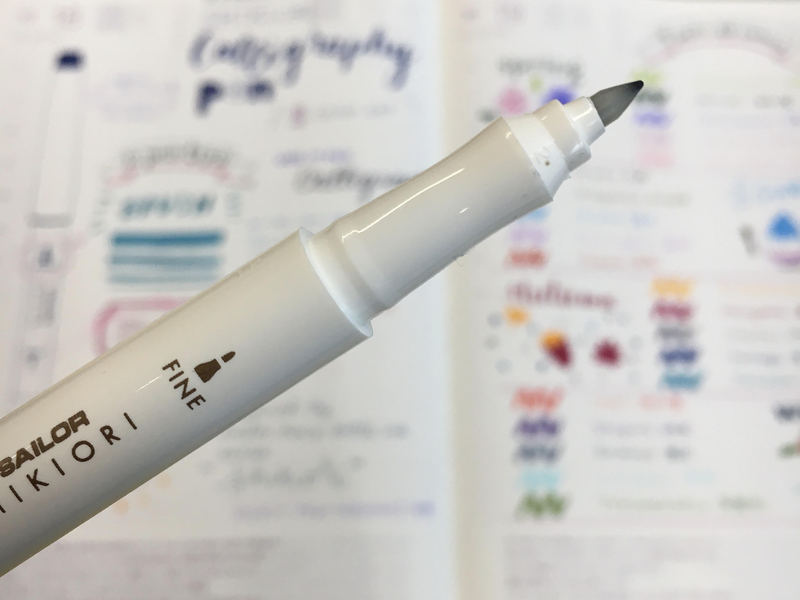
Fine
The brush pen isn’t too “soft” (or is it better to word it squishy?) so it’s useful both when you want to do calligraphy or when you want to color in illustrations. Lay the pen flat or apply pressure to draw thick lines, and hold the pen upright and release the pressure when you want to draw thinner lines. The fine tip on the other hand is really firm and I feel it doesn’t get squished as you use it. (There are some pens where the pen tip gets squashed when you write with high pressure, so this is a big plus for me!) That means you can keep on writing thin lines throughout! This is perfect for writing along the grid of the techo paper.
(2) It looks stylish
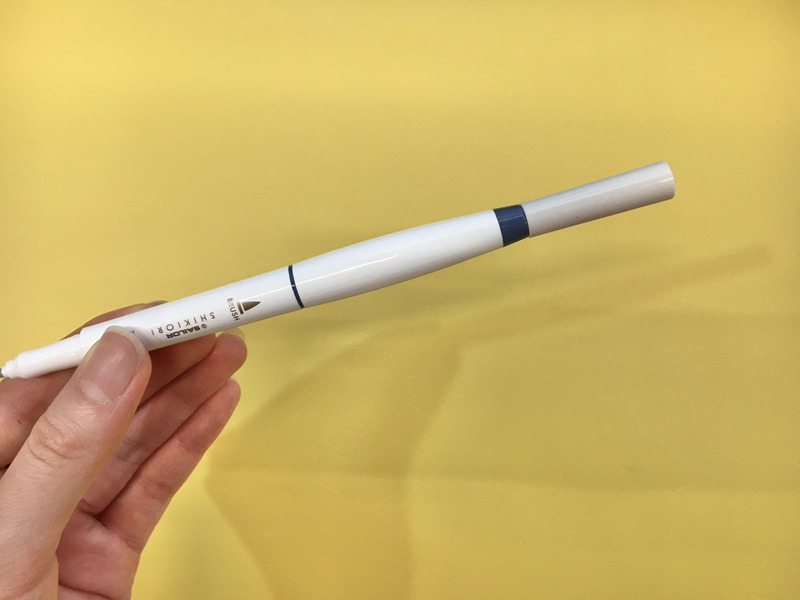
Another thing I like about this pen is that it looks stylish. That doesn’t mean it lacks in practicality - because the top of the cap matches the color of the ink, it’s easy to identify which pen is which color.
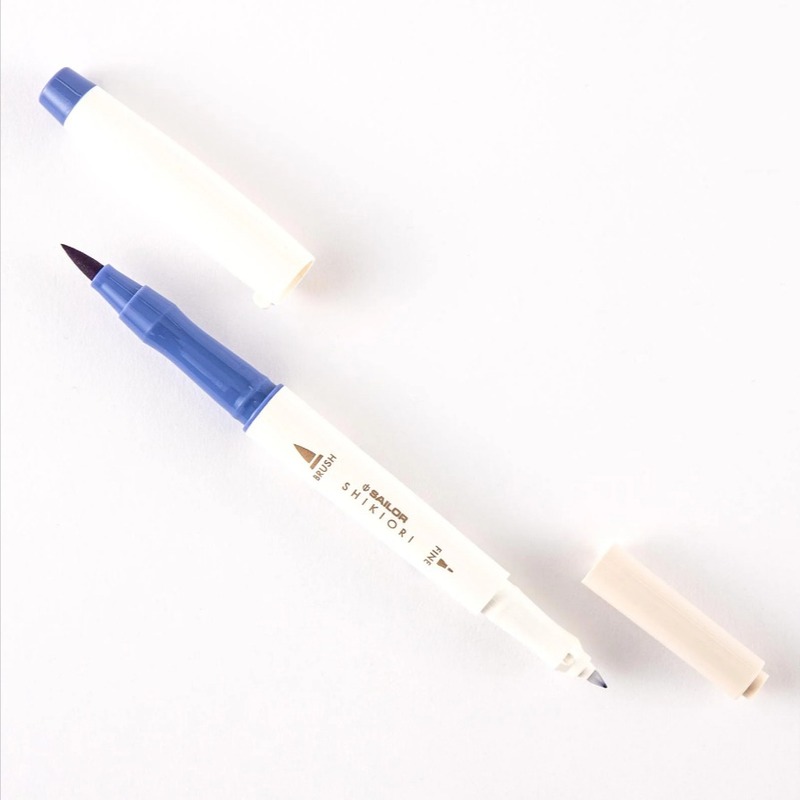
*I was about to write how if I were to mention one flaw, it would be that the cap of the fine tip doesn’t click on the other side, so you’d have to leave the cap lying around when using the fine side. (It’s nothing major, but is something that starts to bother you after a while.) However, I just realized that if you turn the cap upside down, it fits the cap of the other side!! I’m probably not explaining this in words very well so here are some pictures.
I used to think the cap doesn’t click on to the other side . . .
But it does! (when turned upside down)
These pens were inspired by Sailor’s bottle inks, which have packaging that’s so nice to look at, so no wonder the pens look equally as nice!
(3) The colors are nuanced and beautiful
Last but not least - in fact, this is the part that attracted me to this pen the most - the colors are exquisite. They are inspired by the seasons of Japan, and they have these colors that aren’t straightforward. Actually, the reason why we found out about these pens was that a Hobonichi Techo user introduced them to us saying how it goes well the color of the months of the Original and Cousin techo books.
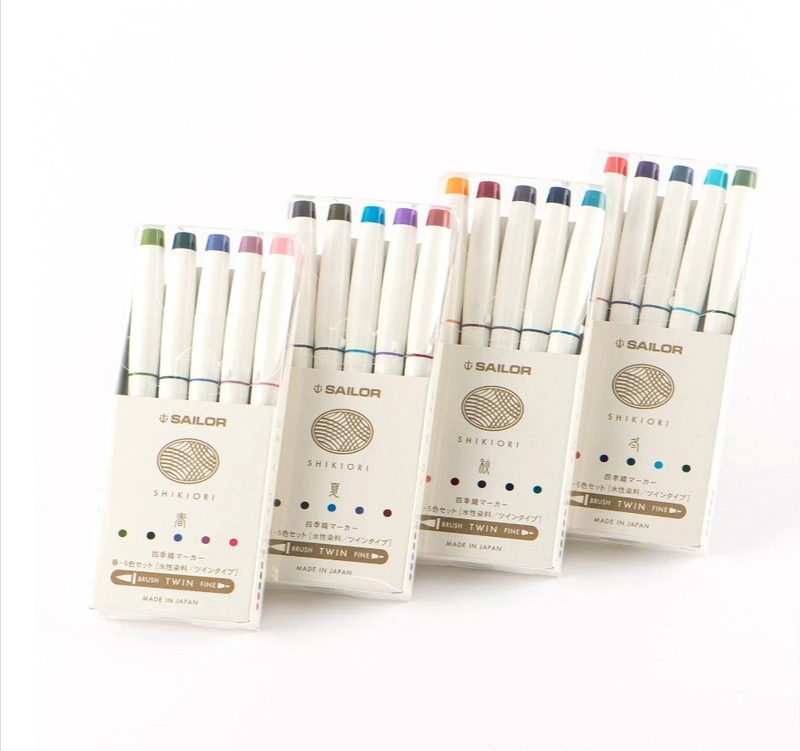
At the Hobonichi Store, you can get them in 5 color sets that are categorized by the season: Spring, Summer, Autumn, and Winter. Which one is your pick?
Personally, I use the “Shimoyo” from the Winter set the most because it’s this perfect black-blue color with a tinge of gray, so it doesn’t appear too “strong” on paper (when I pack my page with words, I often find black ink looking too bold). The Autumn set has a great variation of not-too-pale colors if you want to mainly use the fine tip to write in your techo. Having said that, the Spring set has such pretty colors and the “Souten” in the Summer set is refreshing too. (Another color I use often is the “Doyou” when I feel like writing in brown.)
I think I’ll leave it there as I’ve rambled on for a while now, but do check these pens out if you’re looking for a set of pens with pretty colors and useful pen tips!
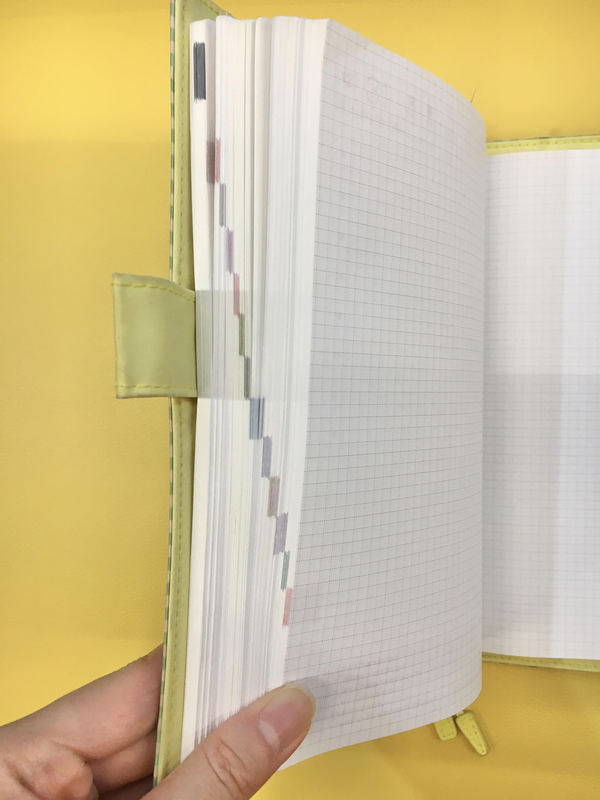
The ink doesn't bleed through the other side, which is another good thing
Sailor: Shikiori Calligraphy Pen 5 Colors Set
- 4 sets (Spring, Summer, Autumn, Winter)
- 1,100 yen each (tax included)
>See here for details
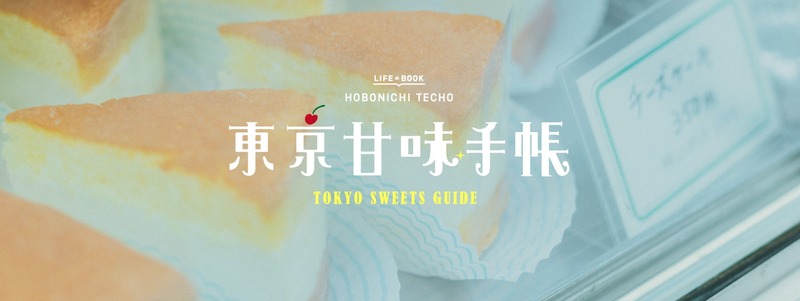
Tokyo Sweets Guide: Omiya Yogashiten
Hi everyone, this is Asako. The Hobonichi Techo website that you’re now on has a page called “Fun Stuff.” Here, you’ll be able to read articles that take a closer look at products, how people use the techo, and other content that lets you fully enjoy your techo. Think of it as our online magazine.
Most articles are translated into English, but there is one series that isn’t translated, and it’s called the “Tokyo Sweets Guide.” This series focuses on shops in Tokyo that are perfect to spend time writing your techo while eating something sweet. I thought I could occasionally introduce you to a summarized version of this article here in the Hobonichi Techo News!
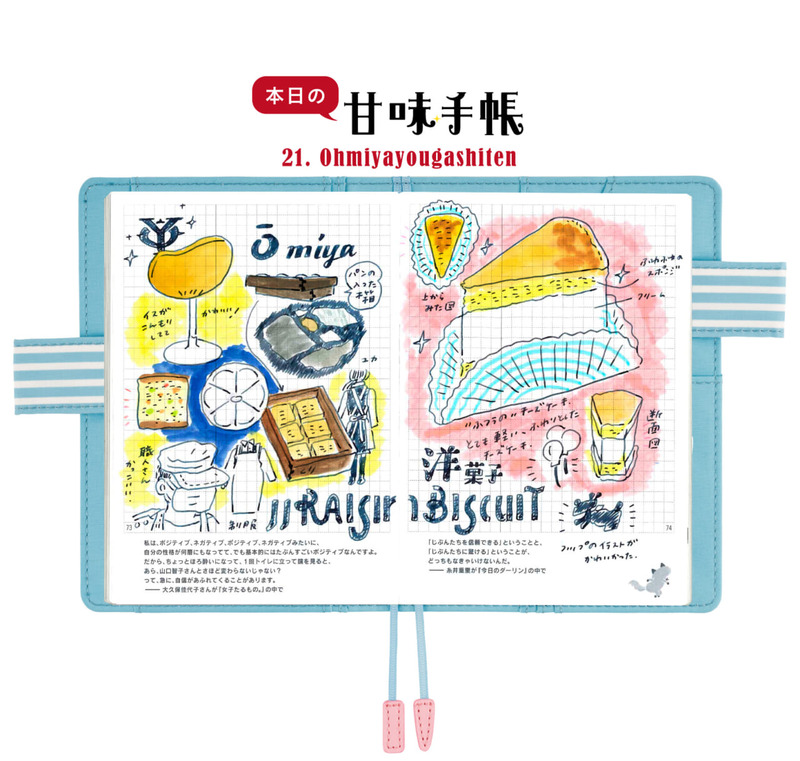
To start off here’s the most recent article featuring Omiya Yogashiten, a sweets shop that is featured in our techos for this year’s lineup. Don’t miss out on the finished techo spread at the end of the article, too!
Tokyo Sweets Guide: OMIYA YOGASHITEN
Founded in Kanda, Tokyo in 1884. Creates timeless sweets that use fresh ingredients. Fifth-generation shopkeeper, Yoshiaki Yoshida laughs as he tells us that “Although now, recipes are uniform as there are a lot of pastry schools, when I look at the recipes of former shopkeepers, it’s quite unique and fun to look at.”
There are various products that use seasonal fruits directly purchased from the wholesale market. “Nowadays, it’s easy to purchase fruit at any time of the year. Because we live in an age like this, I hold an importance in the flavor of the season.”
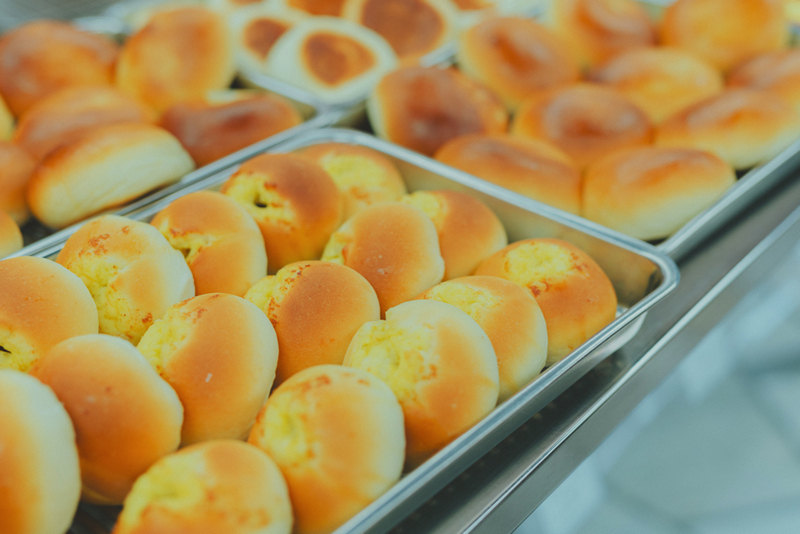
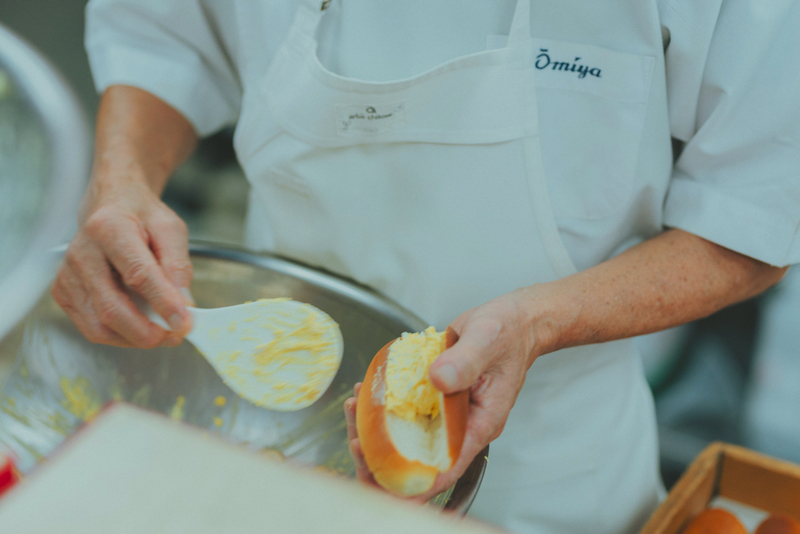
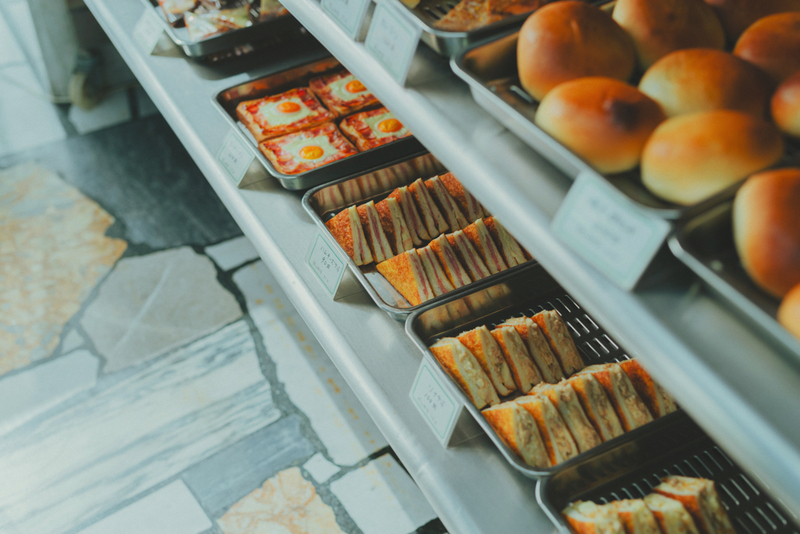
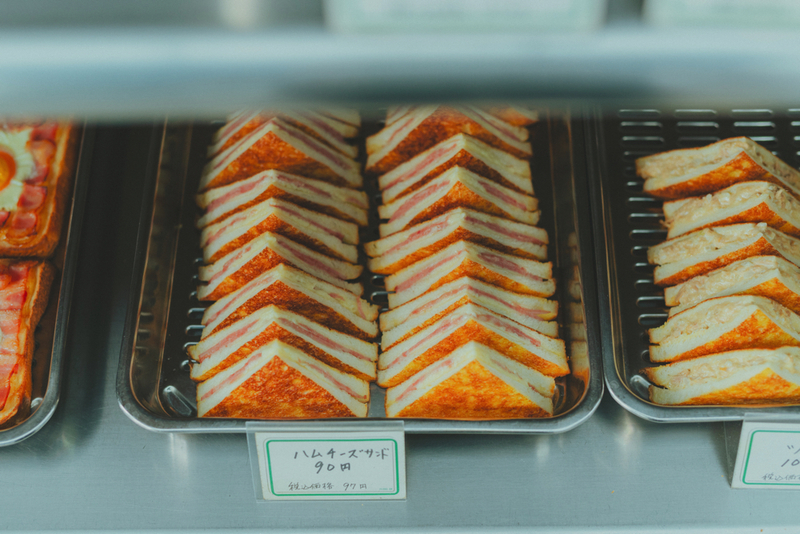
Lots of bread line up on the shelves In the mornings, and neighbors and office workers come to buy bread for breakfast or lunch. It’s a western sweets shop that has been loved by many over the years and blends into everyone’s daily lives.
*We borrowed their shop especially for this shoot, but their eating area is currently not open.
They also have a bakery section
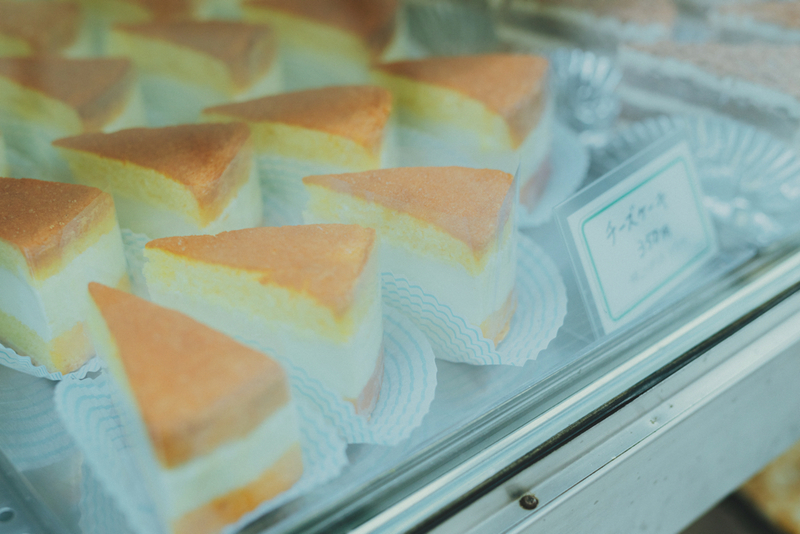
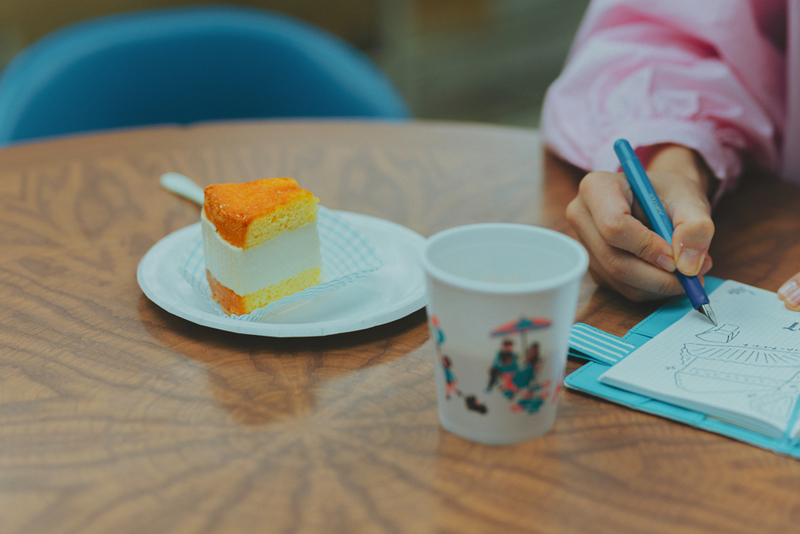
Today’s pick - cheesecake!
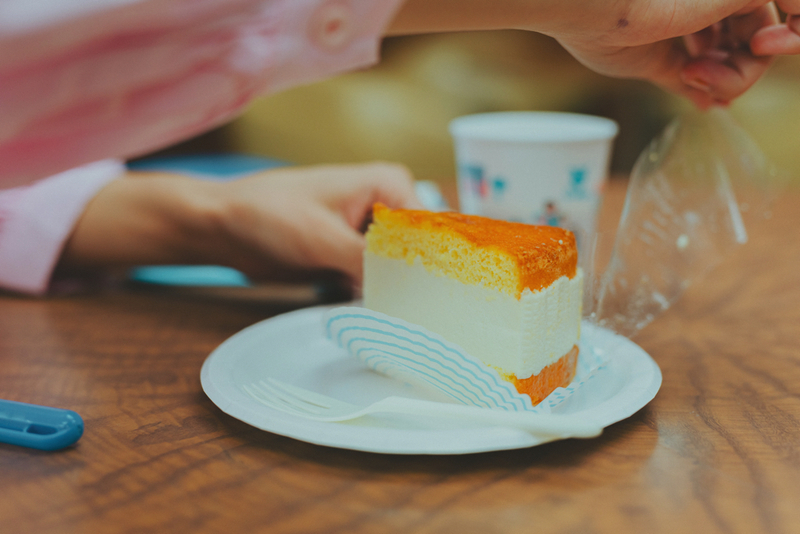
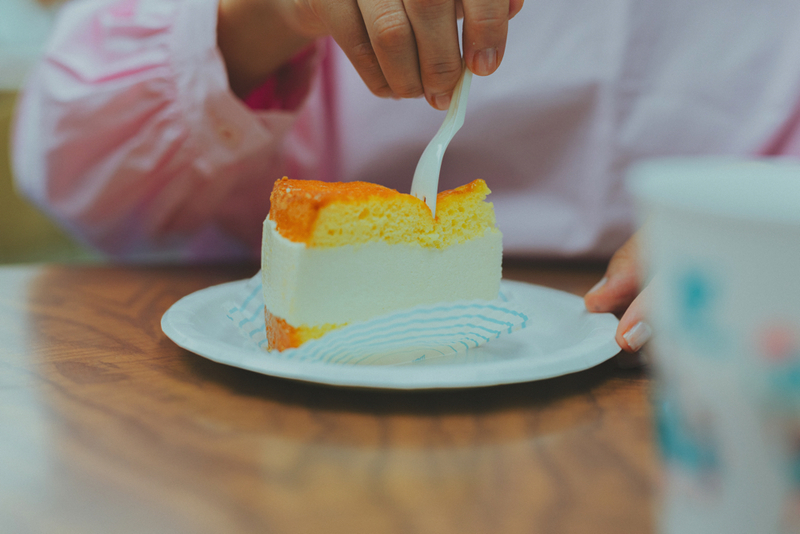
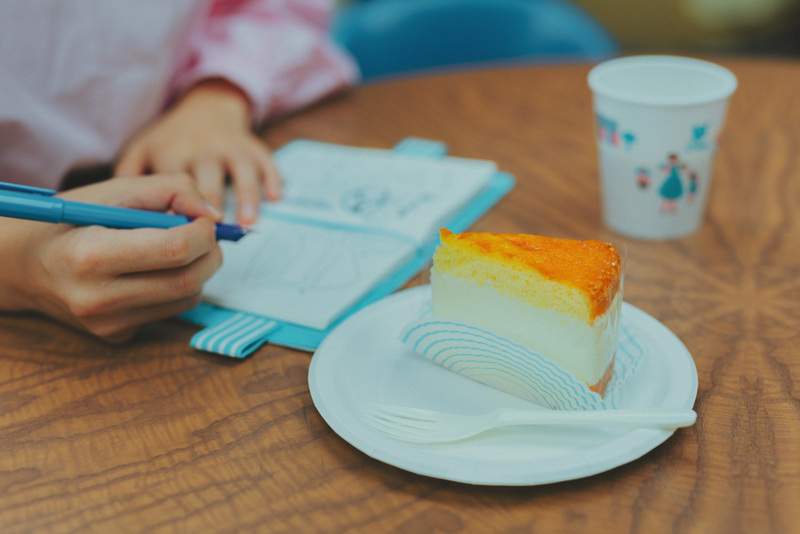
Their cheesecake is composed of a cheese cream sandwiched by a fluffy sponge with a biscuit base
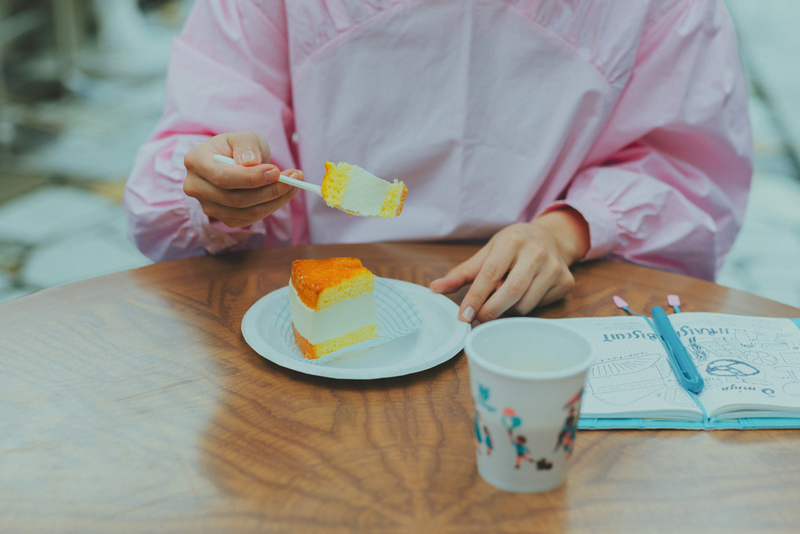
Taking a bite . . .
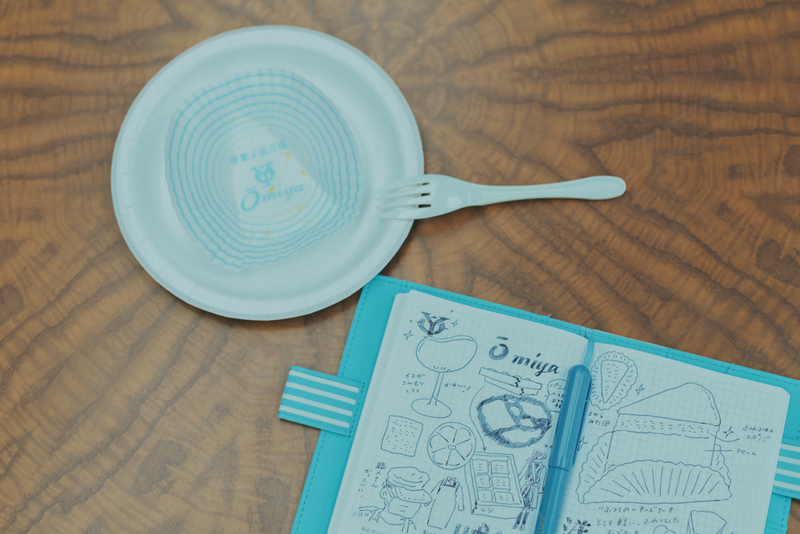
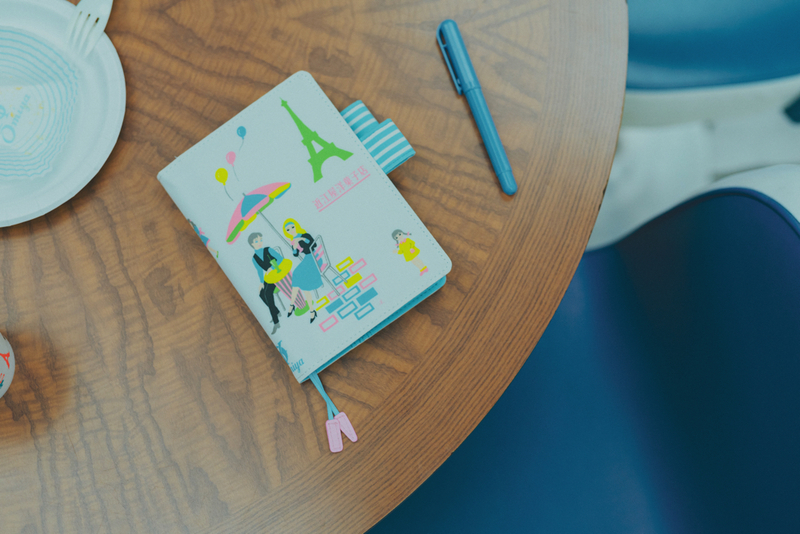
The bottom parchment paper matches the striped “butterfly-stopper” pen holders
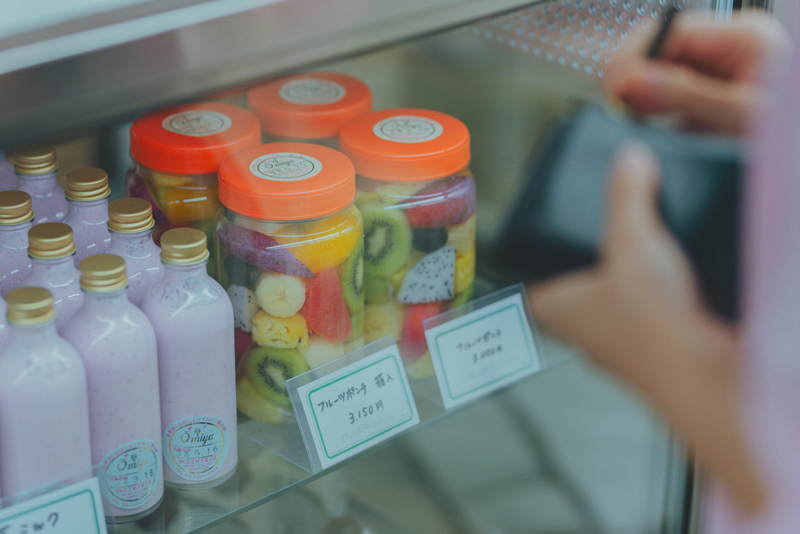
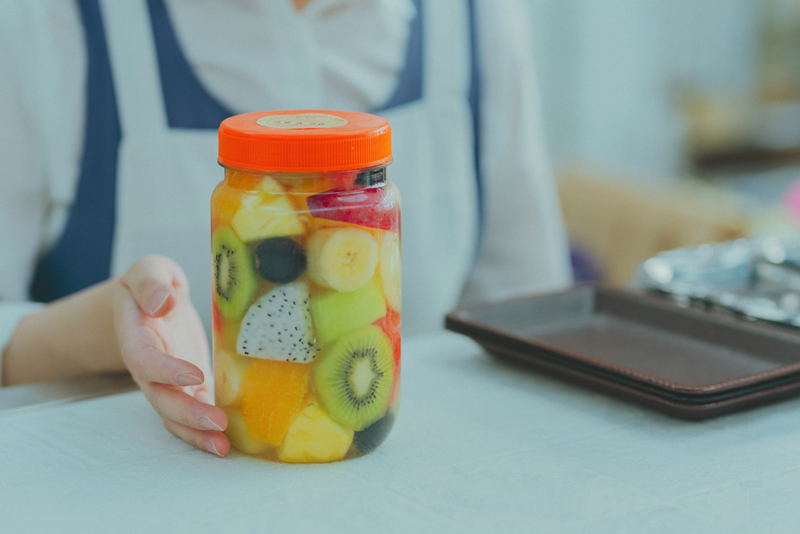
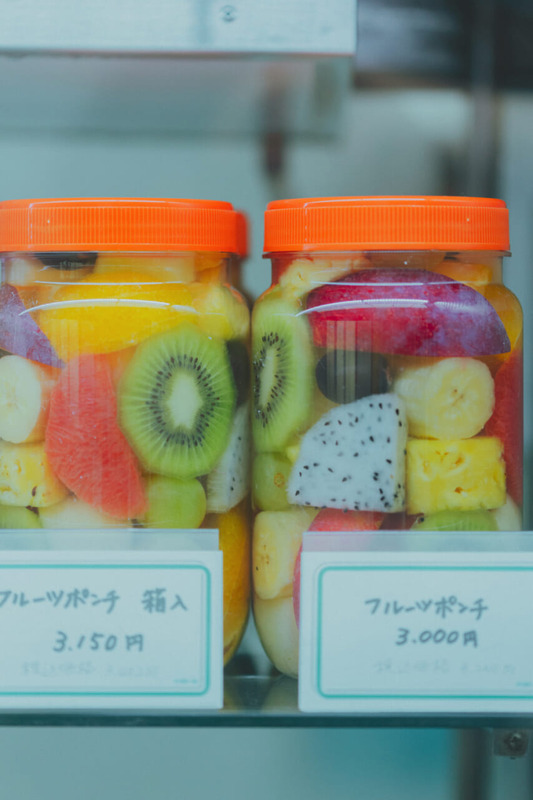
Another reason to visit their shop - their fruit punch!
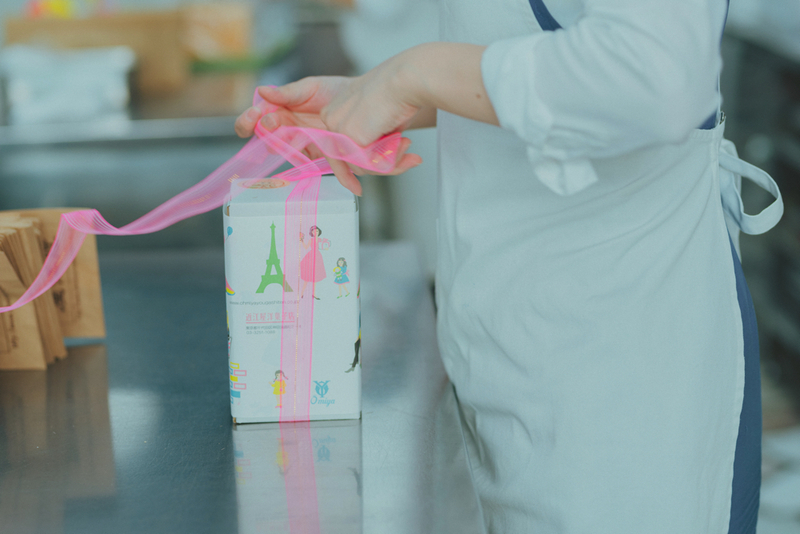
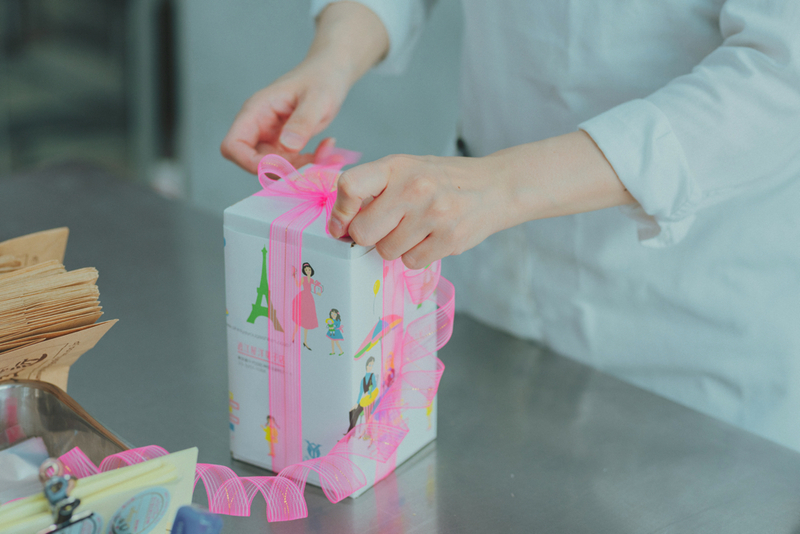
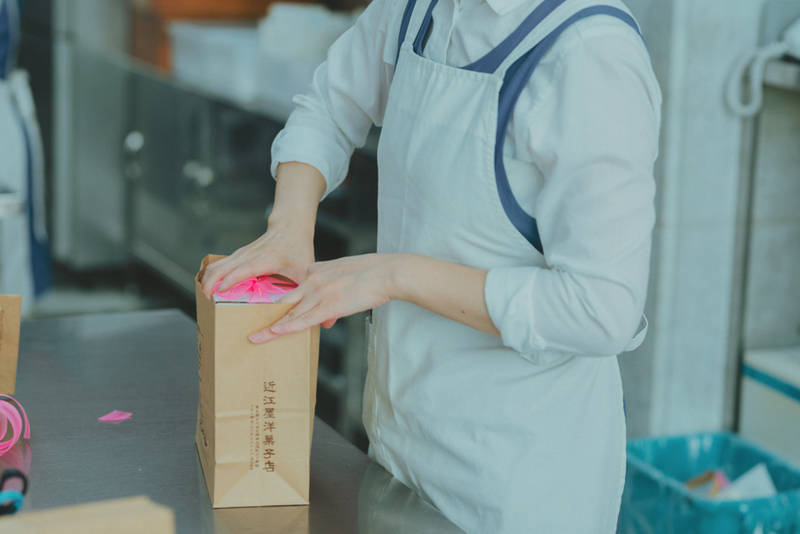
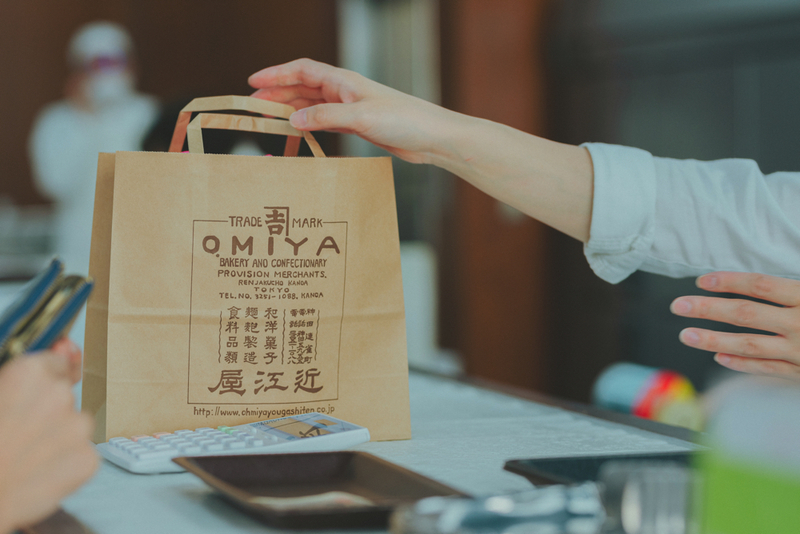
They wrap it up with their cute paper if you choose the type that comes in a box
Today’s Sweets
Cheesecake 350 yen
Fresh cheese cream sandwiched with a cheese-flavored sponge. It has a biscuit base.
“Although I can go back as far as the third-shopkeeper, they seemed to already have it at their time so I believe it’s been more than 60 years since we’ve had this cheesecake,” fifth-generation shopkeeper Yoshida tells us. Because it’s simple, they take extra care with the ingredients they use and have not changed the ratio from the original recipe.
Omiya Yogashiten has other cheesecakes: the rare cheesecake and baked cheesecake. The baked cheesecake is a new creation by the fifth-generation shopkeeper. It would be fun to try out and compare all three types.
Fruit Punch 3,000 yen
(With Box: 3,150 yen)
Fruit punch that is packed in a large jar. It easily has portions for 4 or 5 people. The fruit depends on the season, but it always includes 10 to 15 of that season’s produce. The tang that comes from the largely cut fruit matches the smooth sweet syrup. It’s a classic item of Omiya Yogashiten.
------------------------------------------------------------------
Shop Details
2-4 Awaji-cho, Kanda, Chiyoda-ku, Tokyo
Hours: 9AM to 6PM
Closed days: None
Telephone: 03-3251-1088
*Eating area currently unavailable
https://www.ohmiyayougashiten.co.jp/
------------------------------------------------------------------
Today’s Techo
*See the original article here.
*Tokyo Sweets Guide main page
Photography: Nobuki Kawaharazaki